
Having a GPS tracking system allows businesses to know the location of each vehicle, review its routes, and verify whether drivers are following their assigned itineraries. However, when an accident, dangerous maneuver, or unexpected detour occurs, knowing where the vehicle was is not always enough to understand what happened.
For companies managing freight, transportation, or delivery vehicles, understanding the context of each event is essential for making timely decisions. This is where fleet vehicle cameras (dashcams) complement GPS tracking by integrating visual evidence, driving data, and monitoring tools into a single solution.
Combining GPS and dashcams takes fleet tracking beyond location-based monitoring, providing a more comprehensive view of operations and valuable information to help prevent risks, investigate incidents, and improve road safety.
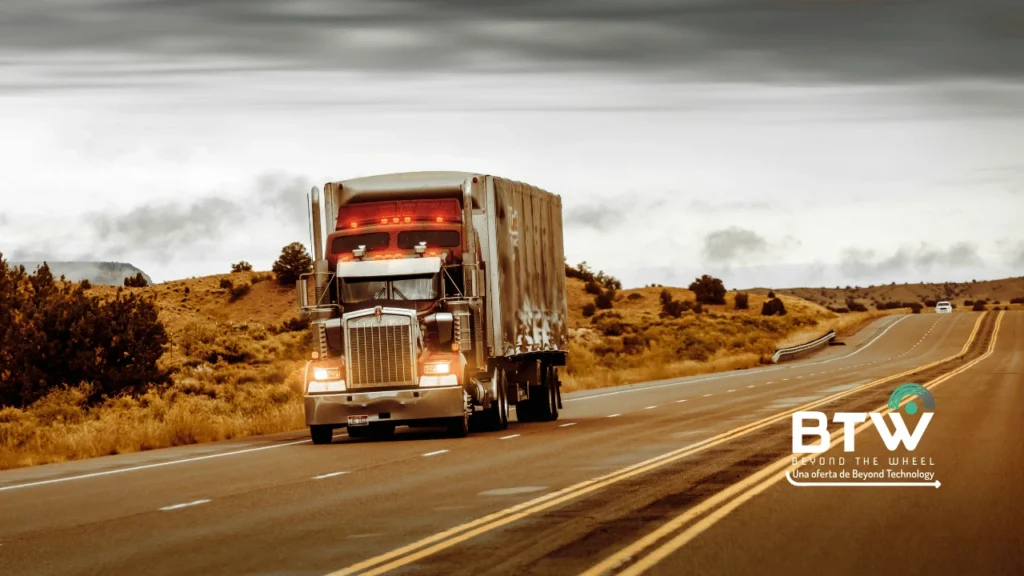
GPS Fleet Tracking: Knowing the Location Doesn’t Always Explain What Happened
Global Positioning System (GPS) technology is an essential tool for vehicle monitoring. It allows businesses to track vehicle locations in real time, review route history, identify speeding incidents, and establish geofences that trigger notifications when a vehicle enters or leaves designated areas.
This information improves operational control and helps identify unusual situations. For example, if a truck deviates from its planned route, GPS tracking can identify where the detour occurred and determine how long the vehicle remained outside its expected itinerary.
The challenge arises when a company needs to understand why an event occurred. Location data alone cannot determine whether a driver performed a maneuver to avoid an accident, became distracted behind the wheel, encountered a dangerous situation, or engaged in behavior that compromised vehicle safety.
Therefore, although GPS tracking remains essential, its capabilities may be limited when a company needs to investigate an incident or understand the circumstances that caused it. Location data shows where an event occurred; visual evidence helps reveal what actually happened.
How Fleet Vehicle Cameras Help Investigate Accidents and Insurance Claims
Vehicle-mounted cameras provide visual evidence of what happens throughout a journey. Depending on the equipment configuration, businesses may be able to review route recordings, access live video, or retrieve clips associated with specific events.
After an accident, this information can help reconstruct the sequence of events, examine the maneuvers performed, and understand the conditions surrounding the incident. In the event of an insurance claim, footage can also provide additional evidence to compare witness statements with what the camera recorded.
The benefits extend beyond road accidents. If a customer reports an irregular delivery, an unplanned stop is detected, or a discrepancy arises during freight transportation, video footage can provide context for reviewing what happened.
This does not mean that a recording automatically resolves every investigation. Its value depends on camera coverage, recording quality, footage availability, and the circumstances of the incident. Nevertheless, combining visual evidence with location data provides a more complete assessment than relying exclusively on GPS records.
GPS and Dashcams: Combining Video and Driving Data to Prevent Risks
Video telematics combines tracking capabilities with video tools and driver behavior analysis. Instead of reviewing each data point separately, businesses can correlate vehicle locations with footage and alerts generated throughout a journey.
A solution of this kind may incorporate Advanced Driver Assistance Systems (ADAS) and fatigue or distraction detection features. Depending on the equipment’s capabilities, it may also identify signs such as cell phone use or prolonged eye closure and issue audible alerts to warn drivers of potentially dangerous situations.
This information becomes more valuable when analyzed together. For example, if the system generates a drowsiness alert, the company can review when it occurred, check the vehicle’s location, and, when footage is available, examine the context surrounding the event. This makes it possible to identify risk patterns and determine which preventive measures should be implemented.
The goal is not simply to identify mistakes but to use data to encourage safer driving habits, improve driver training, and reduce exposure to incidents. Timely alerts can also support a faster response when a situation requires immediate attention.
Vehicle Monitoring Cameras: Greater Control Over Fleet Routes and Operations
Fleet management involves much more than confirming that each vehicle is moving. Businesses need to verify route compliance, detect behaviors that could compromise safety, and respond to unexpected situations during transportation.
Fleet cameras complement tracking tools by providing a visual perspective of what happens on the road. While GPS can identify an unexpected detour or an unplanned stop, video footage can help explain the circumstances surrounding it.
When a solution includes live monitoring, alerts, and video storage, fleet managers have more information to assess an event and determine whether intervention is necessary. Notifications can also help identify situations requiring immediate attention, such as an assistance alert or a possible fatigue-related incident.
These capabilities are particularly relevant to freight transportation because road risks can affect drivers, vehicles, cargo, and delivery schedules. Greater visibility provides more context for investigating incidents and developing measures to prevent similar situations from happening again.
What to Consider When Choosing Fleet Cameras for Your Business
Not all video telematics solutions offer the same features. Before implementing vehicle cameras, businesses should evaluate their operating conditions, vehicle types, most common risks, and the needs of the team responsible for fleet monitoring.
It is also important to determine whether the device includes GPS, which events it can detect, whether it supports live video, how recordings are stored, and what tools the platform provides for reviewing historical data and receiving alerts. The ability to correlate video footage with location and driving data is particularly useful for investigating incidents without relying on separate information sources.
Implementation should also include clear guidelines for using recordings, managing access permissions, and communicating with drivers. This allows the technology to become part of established safety and monitoring processes with well-defined objectives.
Choosing the right solution means identifying what information a business needs to manage its vehicles and how that information can improve prevention, emergency response, and operational performance.
Beyond the Wheel: Greater Fleet Visibility and Road Safety
GPS makes it possible to know where a vehicle is, but combining it with video and driving data helps businesses understand what happens throughout a journey. This integration provides greater context for investigating incidents, identifying risky driving behaviors, and making informed operational decisions.
With Beyond the Wheel by Beyond Technology, businesses can integrate tracking, video, and alerting tools to strengthen vehicle monitoring and improve visibility across their transportation operations.
Learn more about Beyond the Wheel solutions and discover how to enhance your fleet’s GPS tracking with video telematics. Speak with a Beyond Technology advisor to find a solution tailored to your operational needs.
