
How to Choose the Best Tire Monitoring System for Your Fleet

Efficient fleet management requires keeping vehicles in top condition and avoiding unexpected downtime. One of the most critical factors is tire health, as it directly impacts safety, fuel efficiency, and operational continuity. Having a reliable monitoring system can make the difference between proactive management and costly repairs. Benefits of Accurate Tire Pressure and Temperature Sensors A key criterion when selecting this technology is sensor accuracy. Reliable readings allow early detection of air loss or overheating that, if ignored, could lead to major failures. Precise data also helps extend tire lifespan and improve fuel performance, resulting in long-term savings for the business. Easy Installation to Maximize Vehicle Uptime Ease of implementation should not be overlooked. A system that requires long installation processes can increase vehicle downtime, directly affecting productivity. Choosing solutions that can be installed quickly, without complex modifications, ensures vehicles return to the road faster and with minimal disruption. Compatibility with Different Types of Fleet Vehicles Not all vehicles share the same technical specifications, and a monitoring system should adapt to both heavy trucks and light vehicles. Selecting a flexible solution ensures the investment covers the entire fleet, avoiding the need to purchase different equipment for each segment. This leads to more efficient management and centralized control of all tire data. Choosing the right monitoring system not only ensures road safety but also reduces costs and strengthens daily operations. To learn more about these solutions and how to implement them in your fleet, Beyond The Wheel offers expert advisors who can guide you toward the most suitable option for your business.
How Vehicle Sensors Help Reduce Fleet Downtime

A fleet’s performance largely depends on its ability to stay on the road without interruptions. Every hour a truck is out of service due to mechanical failures translates into additional costs and operational delays. In this context, vehicle sensors have become strategic allies, providing real-time data on each unit’s condition and allowing managers to anticipate issues before they escalate into critical failures. Real-time monitoring for predictive maintenance The main advantage of telematics systems is their ability to track key variables such as engine temperature, tire pressure, and brake system performance. When combined with analytics platforms, this information enables fleet managers to detect wear patterns and schedule maintenance before breakdowns occur. This predictive approach not only extends component lifespan but also prevents unexpected downtime that disrupts the supply chain. Enhancing fleet management efficiency with advanced telematics Advanced telematics provides managers with a complete view of operations. Through centralized dashboards, it is possible to assess in real time which vehicles need immediate attention and allocate resources more effectively. Instant access to accurate data empowers decision-making, helps reduce operational costs, and ensures trucks remain available to meet business demand. Improving truck safety and performance with smart sensors The use of smart sensors impacts more than just vehicle availability; it also raises safety standards on the road. Detecting anomalies in brake systems or tire pressure early on significantly lowers the risk of accidents. This proactive capability strengthens driver confidence and contributes to better overall fleet performance. The benefits of technology in transportation are clear: fewer disruptions, higher productivity, and stronger safety. To learn more about how these solutions can transform your operations, reach out to Beyond The Wheel and speak with an advisor who will guide you through the most effective implementation for your fleet.
Benefits of Beyond The Wheel Satellite Tracking for the Transportation Industry

Fleet management in the transportation sector demands precision, control, and efficiency. Beyond The Wheel has positioned itself as a strategic solution that helps companies operate with greater profitability and security. By integrating advanced telemetry and a reliable satellite tracking system, operators gain a comprehensive view of each unit, resulting in more agile management and tangible business outcomes. Route optimization with real-time telemetry One of the major challenges in freight transport is reducing delivery times and making better use of each journey. Beyond The Wheel technology makes it possible to monitor routes in real time, detect deviations, and redesign trips immediately to avoid delays. This capability not only improves punctuality but also enables more efficient route planning, which increases productivity and enhances customer satisfaction. Fuel cost reduction in transportation fleets Fuel expenditure represents one of the highest costs in heavy vehicle operations. With the Beyond The Wheel tracking system, companies obtain detailed information on driving patterns, idling times, and unnecessary trips. With this data, fleet managers can implement more responsible driving practices and assign routes that minimize excessive consumption. The result is direct savings that positively impact company profitability. Enhanced security with satellite truck monitoring Protecting assets and cargo is a top priority in the transportation industry. Beyond The Wheel integrates satellite tracking features that allow precise location of each unit and activate alerts in case of unauthorized movements. This immediate visibility reduces risks associated with theft and facilitates quick decision-making in emergency situations. With these tools, companies provide greater peace of mind to both their clients and their drivers on the road. In an industry where efficiency and safety are crucial, having a technology partner makes the difference. If you want to learn more about how Beyond The Wheel can empower your fleet, speak with an advisor and discover the solutions best suited to your needs.
FLS or advanced monitoring system? Fleet comparison

For years, fuel consumption control in fleets has been carried out using manual methods such as the dipstick, a simple but limited technique in terms of accuracy. Today, companies that rely on their vehicle fleet face the need for more precise, real-time data, which has driven the adoption of telematics solutions that far exceed traditional capabilities. Limitations of measuring fuel with conventional tools The dipstick is still used for its low cost and ease of implementation. However, this method relies heavily on the operator’s skill and is prone to reading errors, variations caused by the tank’s inclination, and the inability to detect irregular consumption during trips. In operations with multiple units, these inaccuracies can accumulate, generating significant deviations in expense reports and making it more difficult to make decisions based on accurate data. Benefits of integrating sensors and telematics into transportation fleets Fuel measurement systems (Fuel Level Sensors or FLS) with electronic sensors, integrated into telematics platforms, offer precise and continuous monitoring. They provide the exact fuel level in liters or gallons, detect sudden variations caused by theft or leaks, and link the information to routes and driving habits. This visibility helps optimize logistics, reduce operating costs, and plan preventive maintenance more effectively, in addition to centralizing information for historical analysis. How real-time information transforms fuel management Immediate access to data enables fleet managers to respond proactively to anomalies and adjust operational strategies without waiting for month-end or manual reports. With configurable alerts and unified dashboards, it becomes possible to implement more efficient refueling policies and monitor the effectiveness of each measure within hours rather than weeks. This agility in decision-making makes the difference between reactive control and strategic management. To learn more about implementing cutting-edge fuel monitoring solutions, visit Beyond The Wheel and speak with a specialized advisor who can guide you in optimizing your fleet.
How to Choose the Best Driver Fatigue Camera for Your Fleet

Monitoring driver fatigue is critical to ensuring safety in transport operations. Fatigue detection cameras have become essential tools to enhance vehicle safety and reduce the risk of accidents. However, choosing the right system for your fleet is not a simple task. Several technical and operational factors must be considered to ensure optimal integration with your operations. Detection accuracy, the key to early warning Detection accuracy is one of the most important elements when selecting a fatigue camera. The technology must be capable of identifying early signs of drowsiness and distraction without triggering false alarms. Advanced systems use AI-based algorithms to analyze driver behavior, including eye movement, blink rate, and head position. High accuracy is essential to ensure a timely response to fatigue signals, without disrupting daily operations with unnecessary alerts. Easy installation to save time and resources The installation process should be as straightforward as possible to avoid downtime and the need for specialized technicians. A system that is easy to install is especially valuable for large fleets, where time is a critical factor. Many modern fatigue cameras offer plug-and-play solutions, allowing for hassle-free implementation. It’s also important to consider whether the camera requires special calibration or mounting systems, as these factors can affect both cost and operational efficiency. Connectivity with video telematics systems for complete control Integrating the fatigue camera with existing video telematics platforms is essential for centralized data management. With proper connectivity, the footage and alerts captured by the system can be transmitted in real time to the operations center, enabling continuous monitoring of driver status. This level of integration also supports long-term trend analysis and helps refine safety strategies. Make sure the device is compatible with your current fleet management platform or determine if an additional system is required to enhance its functionality. Selecting the right fatigue camera goes beyond price or isolated features. It’s important to ensure that the system integrates seamlessly with your existing monitoring technologies and meets your safety standards. To explore advanced solutions that help protect your drivers, talk to a Beyond The Wheel advisor. They can guide you in choosing the most suitable technology for your fleet.
Jammer Detector vs. Other Fleet Security Solutions

Protecting vehicles on the move has become an increasingly complex challenge, especially with the rise of thefts using signal jammers. For fleets that rely on satellite tracking systems, having technology capable of detecting the presence of a jammer is crucial. These devices not only issue alerts during a blocking attempt but also enable response protocols to be activated before a vehicle loses its connection. Differences Between Jammer Detectors and Signal Blockers Although often confused, a detector and a blocker serve completely opposite functions. A signal blocker disrupts communication for GPS and cellular devices, compromising fleet visibility. In contrast, the detector is designed to recognize such interference and immediately send alerts to the monitoring system. This preventive capability allows fleet managers to react promptly, reducing risk exposure and improving operational safety. Comparison with Conventional Fleet Security Systems Traditional measures like locks, alarms, or electronic immobilizers still play a role in vehicle protection but typically act only after an intrusion has occurred. The key difference with jammer detection technologies is anticipation. By identifying sabotage attempts in real time, administrators can coordinate actions such as rerouting, driver alerts, or notifying authorities, increasing the chances of recovering the vehicle undamaged. Strategic Advantages of Interference Detection for Fleets Beyond physical protection, detectors support business continuity and customer trust. Every minute a vehicle is out of operation represents losses, so quick response to sabotage minimizes financial impact. This technology also strengthens compliance with insurers and safety regulations, adding an extra layer of value to mobile asset management. Learning more about how these solutions can be integrated into your operations is a key step in protecting your investment. At Beyond The Wheel, our advisors can guide you in implementing systems that enhance your fleet’s security.
Comparison: Traditional Tire Monitoring vs. Advanced Sensor-Based Systems

Monitoring tire conditions is a key factor for fleet safety and performance. For years, manual inspections have been the standard practice, relying on visual checks and periodic pressure measurements. However, advances in technology have led to sensor-based systems that provide accurate, real-time data, transforming preventive maintenance management. Differences in early detection of tire issues Manual methods rely on staff expertise to identify anomalies, leaving room for human error and delays in detection. In contrast, sensor-based systems continuously record pressure and temperature, sending instant alerts for any deviation. This capability allows issues to be addressed before they lead to costly failures or unplanned downtime. Impact on operational efficiency and maintenance costs Manual inspections require stopping vehicles to check each tire, resulting in time and resource losses. Sensor telemetry enables constant monitoring without disrupting routes, optimizing fleet utilization and reducing major repair expenses. Keeping tires within optimal parameters also extends their lifespan, lowers replacement frequency, and improves fuel efficiency. Benefits for safety and decision-making in fleets Accurate, real-time information enhances road safety by preventing incidents caused by undetected tire failures. Additionally, the data collected by advanced systems helps analyze wear patterns and make strategic operational adjustments. This data-driven approach improves productivity and overall business profitability. To learn how to implement these solutions in your fleet, contact a Beyond The Wheel advisor and discover firsthand the advantages of advanced tire monitoring systems.
Guide to Choosing the Right Telematics Solution for Your Fleet

Telematics has become an essential component for managing fleets efficiently and safely. However, selecting the right platform involves understanding operational needs and the type of data you aim to collect. Making an informed decision can mean the difference between a system that provides real value and one that does not fit the reality of your operations. How to Assess Compatibility with Vehicle Types The first step in implementing an advanced monitoring system is to identify compatibility with the vehicles that make up the fleet. Cargo trucks, buses, light units, or specialized machinery require different sensors and communication protocols. A reliable provider should offer solutions tailored to existing technology, considering factors such as vehicle age and integration with already installed electronic systems. Importance of Defining the Number and Variety of Sensors Each operation requires a different level of detail in data collection. Companies overseeing cold chains, fuel control, or tire performance need infrastructure with multiple sensors capable of delivering real-time information. Analyzing in advance how many monitoring points are required and how critical the information is prevents disproportionate investments and ensures that the solution can scale as the fleet grows. Data Analysis and Management Tools for Decision-Making The true value of telematics lies in the ability to interpret the data collected. Platforms that integrate analytics dashboards, customized reports, and automated alerts allow information to be transformed into actionable insights. It is crucial to choose a system that not only stores data but also provides practical tools to optimize routes, reduce operating costs, and prevent failures before they occur. Choosing the right technology not only enhances operational control but also strengthens long-term competitiveness. If you would like to explore how these solutions can be integrated into your business, we invite you to learn more about Beyond The Wheel and speak with an advisor who can help you identify the best option for your fleet.
Advantages of implementing a jammer detection system in your fleet

The efficient operation of a vehicle fleet relies heavily on uninterrupted connectivity. However, the increasing use of signal jamming devices poses a growing threat to companies that depend on satellite tracking and mobile communication technologies. In response to this risk, deploying a jammer detection system has become essential for enhancing operational security, preventing theft, and maintaining real-time asset control. How to improve fleet safety with anti-jamming technology Systems designed to identify malicious interference enable immediate responses to sabotage attempts. The ability to detect abnormal signals in GPS, GSM, or Wi-Fi channels allows companies to activate emergency protocols before a theft or asset loss occurs. This leads to greater control over vehicles and serves as a deterrent to those using signal-blocking equipment. Unlike passive solutions, this technology enables an active response through automated alerts, supporting monitoring centers in making timely decisions. Its seamless integration with existing telematics platforms also ensures that preventive actions don’t depend on manual review, thereby increasing the overall effectiveness of the security system. Real-time monitoring benefits with signal jamming detection Adding jammer detection capabilities to your monitoring infrastructure provides constant visibility over every unit’s activity. The key advantage lies not only in tracking vehicle locations but also in anticipating risk when signal disruptions—typically used for geolocation—are detected. This feature is particularly valuable on vulnerable routes, in rural environments, or high-risk areas where detecting a real-time anomaly can be the difference between a failed theft attempt and a major loss. With accurate, up-to-date information, operations managers can make better decisions and reinforce protective measures where they are truly needed. Preventing cargo theft with early detection technology Theft of vehicles and goods remains one of the most pressing challenges in the transportation sector. Early detection of technological sabotage allows for vehicle immobilization, operator alerts, law enforcement notifications, or remote lockdowns. This level of response provides a strategic advantage by triggering action before communication with the central system is completely lost. Beyond operational improvements, implementing this technology also boosts customer and partner confidence. Having advanced security protocols in place signals a commitment to safety, on-time delivery, and service integrity. If you’re looking to safeguard your logistics operations and gain tighter control over each vehicle in your fleet, explore how Beyond The Wheel can support your business. Schedule a consultation with one of our advisors and discover the specialized solutions designed to fit your needs.
Advantages of real-time fuel monitoring for transportation fleets
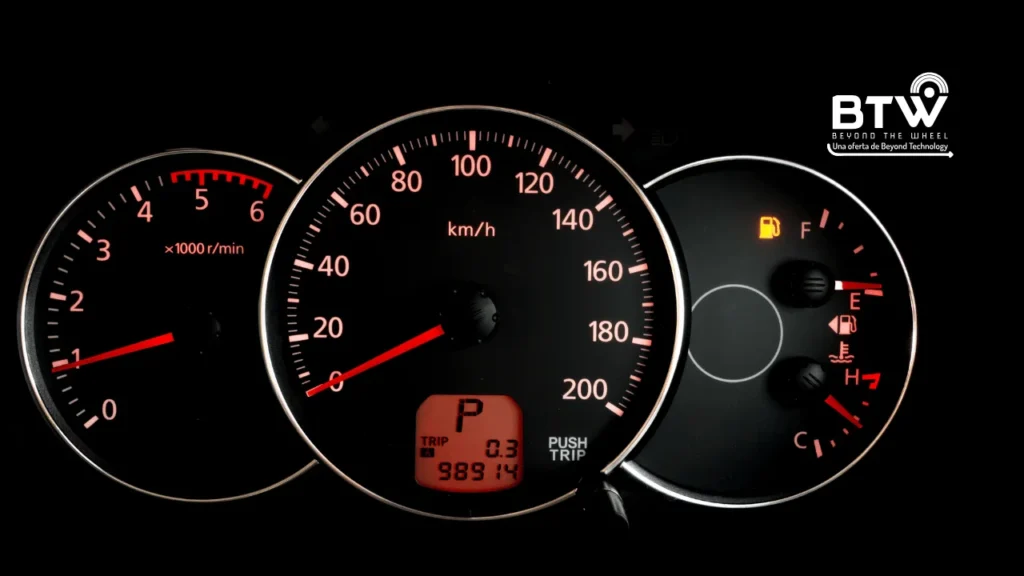
Operational efficiency in a transportation fleet depends on multiple variables, and fuel consumption is among the most critical. In recent years, real-time monitoring has shifted from being an optional tool to becoming a strategic component of fleet management. This type of technology gives companies greater control over energy resources, reduces losses, and helps optimize routes based on accurate, real-time data. How continuous consumption tracking helps reduce operating expenses Fuel expenses account for a significant portion of the logistics operations budget. Implementing systems that track consumption behavior minute by minute makes it possible to detect deviations from the expected performance of each vehicle. This visibility facilitates corrective decision-making, such as route adjustments, preventive maintenance scheduling, or driver efficiency training. When reliable information is available at all times, it becomes easier to identify unnecessary spending patterns and respond quickly to correct them. Timely detection of anomalies in fuel supply and usage One of the biggest risks for fleet-based companies is unauthorized manipulation of resources. Real-time digital tracking allows for the detection of unusual events, such as fuel loads that don’t match scheduled routes, irregular fuel drains, or discrepancies between purchased and actually consumed volumes. This monitoring capability helps prevent internal leakage and potential fraud, strengthening trust in operational processes and in the team that runs them. The value of automated reporting and data visualization tools Making informed decisions requires more than just isolated data points. Advanced monitoring platforms provide dashboards where key indicators are displayed clearly and accessibly. This makes it easier to compare data across vehicles, time periods, or specific routes. Thanks to automated report generation, it’s possible to maintain continuous traceability without adding workload to administrative teams. This integrated visibility not only improves planning but also supports compliance with audits and quality standards. Having tools that offer this level of monitoring is no longer a luxury—it’s a necessity for those managing fleets with a focus on profitability and transparency. If you’d like to learn how to implement these solutions in your operations, talk to a Beyond The Wheel advisor and turn your fuel control into a real competitive advantage.
