
Comparison: Traditional Tire Monitoring vs. Advanced Sensor-Based Systems

Monitoring tire conditions is a key factor for fleet safety and performance. For years, manual inspections have been the standard practice, relying on visual checks and periodic pressure measurements. However, advances in technology have led to sensor-based systems that provide accurate, real-time data, transforming preventive maintenance management. Differences in early detection of tire issues Manual methods rely on staff expertise to identify anomalies, leaving room for human error and delays in detection. In contrast, sensor-based systems continuously record pressure and temperature, sending instant alerts for any deviation. This capability allows issues to be addressed before they lead to costly failures or unplanned downtime. Impact on operational efficiency and maintenance costs Manual inspections require stopping vehicles to check each tire, resulting in time and resource losses. Sensor telemetry enables constant monitoring without disrupting routes, optimizing fleet utilization and reducing major repair expenses. Keeping tires within optimal parameters also extends their lifespan, lowers replacement frequency, and improves fuel efficiency. Benefits for safety and decision-making in fleets Accurate, real-time information enhances road safety by preventing incidents caused by undetected tire failures. Additionally, the data collected by advanced systems helps analyze wear patterns and make strategic operational adjustments. This data-driven approach improves productivity and overall business profitability. To learn how to implement these solutions in your fleet, contact a Beyond The Wheel advisor and discover firsthand the advantages of advanced tire monitoring systems.
Guide to Choosing the Right Telematics Solution for Your Fleet

Telematics has become an essential component for managing fleets efficiently and safely. However, selecting the right platform involves understanding operational needs and the type of data you aim to collect. Making an informed decision can mean the difference between a system that provides real value and one that does not fit the reality of your operations. How to Assess Compatibility with Vehicle Types The first step in implementing an advanced monitoring system is to identify compatibility with the vehicles that make up the fleet. Cargo trucks, buses, light units, or specialized machinery require different sensors and communication protocols. A reliable provider should offer solutions tailored to existing technology, considering factors such as vehicle age and integration with already installed electronic systems. Importance of Defining the Number and Variety of Sensors Each operation requires a different level of detail in data collection. Companies overseeing cold chains, fuel control, or tire performance need infrastructure with multiple sensors capable of delivering real-time information. Analyzing in advance how many monitoring points are required and how critical the information is prevents disproportionate investments and ensures that the solution can scale as the fleet grows. Data Analysis and Management Tools for Decision-Making The true value of telematics lies in the ability to interpret the data collected. Platforms that integrate analytics dashboards, customized reports, and automated alerts allow information to be transformed into actionable insights. It is crucial to choose a system that not only stores data but also provides practical tools to optimize routes, reduce operating costs, and prevent failures before they occur. Choosing the right technology not only enhances operational control but also strengthens long-term competitiveness. If you would like to explore how these solutions can be integrated into your business, we invite you to learn more about Beyond The Wheel and speak with an advisor who can help you identify the best option for your fleet.
Advantages of using a real-time Tire Monitoring System for fleets
Efficient management of a vehicle fleet requires a comprehensive approach that considers all critical elements for its operation. Among these, the condition of the tires is often overlooked until costly failures or avoidable accidents occur. Implementing a real-time monitoring system allows companies to anticipate problems, optimize resources, and reduce risks, resulting in a direct impact on profitability and operational safety. Smart alerts to prevent failures before they happen Having sensors that detect deviations in tire pressure or temperature enables timely detection of potential incidents. These alerts allow fleet managers to make quick decisions before an anomaly leads to an accident or the loss of a vehicle. Unlike manual inspections, which rely on human judgment and are not always performed frequently enough, real-time systems operate continuously, without interruptions, and with a level of precision that minimizes errors. This anticipatory capability improves the safety of both the driver and the cargo, while also preventing unnecessary service interruptions. Reducing operating costs through predictive maintenance One of the most significant benefits of these technological platforms is the ability to implement more efficient maintenance strategies. By having continuous data on tire conditions, companies can schedule inspections only when necessary, rather than following routine checks or reacting to failures. This approach reduces the number of unplanned stops and optimizes the use of workshops and technical resources. In the medium term, it translates into lower expenses related to replacing damaged tires and less downtime for vehicles. In addition to operational benefits, using a real-time monitoring system provides greater security in managing the fleet’s most valuable assets. Thanks to the traceability and constant tracking of each tire’s condition and location, companies can prevent risky practices such as reselling or swapping tires for worn-out ones at illegal shops. This ensures that the tires installed on each vehicle are always the original ones and remain in optimal condition for use, protecting the investment and reducing the risk of accidents caused by unauthorized or unsafe components. Maximizing tire performance and durability Monitoring systems provide accurate information about conditions that directly affect tire wear, such as improper pressure or overheating. Adjusting these factors in real time allows tires to operate within optimal parameters, significantly extending their lifespan. This not only means direct savings on purchasing new tires but also contributes to more efficient and stable driving, reducing fuel consumption and improving the vehicle’s overall performance. The benefits of adopting these solutions are clear: enhanced safety, reduced costs, and better resource utilization. If you want to learn more about how to optimize your fleet’s operation with intelligent monitoring technology, reach out to Beyond The Wheel and speak with one of our advisors.
5 key benefits of implementing telematics in commercial vehicle fleets

Efficient fleet management has evolved from a manual task into a strategic operation powered by data. Within this transformation, telematics has emerged as a critical technology that enables real-time, accurate monitoring, delivering tangible benefits in operational efficiency and cost reduction. Companies that adopt this solution not only optimize their resources but also strengthen their responsiveness and continuous improvement capabilities. Reducing operational expenses through predictive maintenance One of the most noticeable advantages of advanced monitoring systems is the reduction in costs associated with reactive maintenance. With real-time data on each vehicle’s mechanical condition, fleet managers can anticipate issues, schedule preventive servicing, and avoid expensive breakdowns that hinder operational availability. Constant monitoring of indicators such as engine temperature, tire pressure, and oil levels enables proactive decision-making, ultimately extending the lifecycle of fleet assets. Enhancing route efficiency with live location insights Access to the exact location of each unit enables far more effective route planning. Telematics technology identifies traffic patterns, adverse weather conditions, and unauthorized route deviations, all of which directly affect delivery times and fuel consumption. This allows companies to dynamically adjust routes, eliminate unnecessary mileage, and improve punctuality on deliveries. Improving driver performance in commercial fleets Data generated by telematics systems also helps detect driving behaviors that lead to excessive wear or increased accident risk. Hard braking, sudden acceleration, and excessive idling are examples of habits that can be corrected through training, automated alerts, or policy adjustments. This shift in driving style directly enhances safety and fuel efficiency, promoting a more sustainable and responsible fleet operation. Streamlining working hours in logistics operations Automated records provide detailed insights into shift start and end times, as well as periods of idleness or delays. This level of visibility supports better workload organization, more accurate shift planning, and compliance with labor regulations. It also helps redistribute human resources more equitably and identify potential process bottlenecks. Making strategic decisions with reliable operational data The consolidated information from these systems offers a comprehensive view of fleet performance. This analytical capability helps refine business strategies with greater accuracy, from vehicle replacement planning to the evaluation of new route opportunities. Continuous access to key metrics supports more agile and result-oriented decision-making focused on long-term growth. To learn more about how these solutions can enhance the performance of your commercial fleet, speak with a specialist at Beyond The Wheel. Discover how to take your logistics operation to the next level with precision-driven technology.
Sensors and Telemetry: What Are the Best Options for Monitoring Your Fleet?
Efficient management of commercial vehicles involves more than just maintenance and route planning. Real-time monitoring, powered by advanced sensors and telemetry systems, has become essential for companies aiming to optimize operational performance. As technology evolves, various smart solutions emerge that provide full fleet visibility, enhance safety, and lower operating costs. Differences Between GPS Tracking, Tire Pressure, and Temperature Sensors in Cold Chain Transport Each type of sensor plays a specific role in logistics operations. GPS trackers provide accurate vehicle location, help detect unauthorized routes, and improve delivery times. Tire pressure sensors, on the other hand, help prevent accidents due to deflation or wear, extend tire lifespan, and reduce fuel consumption. In refrigerated units, temperature sensors are critical to ensure product quality throughout the journey, particularly in the food and pharmaceutical industries. While these tools can function independently, their full potential is unlocked when integrated into a unified management system. This technological convergence allows critical data to be centralized and decisions to be made based on accurate, real-time information. Benefits of Advanced Vehicle Data Collection Systems in Logistics Using telemetry platforms with connected sensors transforms how a fleet is managed. These tools gather detailed data on driver behavior, fuel consumption, idling time, harsh braking, and predictive maintenance. This visibility improves operational efficiency while enabling safer and more sustainable driving policies. With both historical and live analytics, logistics teams can anticipate failures, reduce downtime, and better plan maintenance cycles. The result is a more cost-effective operation, less asset wear, and a more reliable service experience for end customers. How to Choose a Comprehensive Monitoring Solution with Smart Fleet Sensors Implementing vehicle monitoring technology goes beyond purchasing hardware. Real value lies in selecting a system tailored to the company’s specific needs—scalable, integrative, and supported by technical expertise for seamless deployment. An effective solution should support multi-sensor integration, intuitive dashboards, and customizable reporting capabilities. Interoperability with ERP or logistics platforms is key to achieving true process automation. Partnering with a provider that offers ongoing advisory services ensures the investment evolves alongside business demands. To learn how these technologies can transform your operations, we invite you to speak with a Beyond The Wheel advisor. Our team is ready to help you find the most suitable solution for your fleet.
Tire wear signs that can cost your fleet dearly
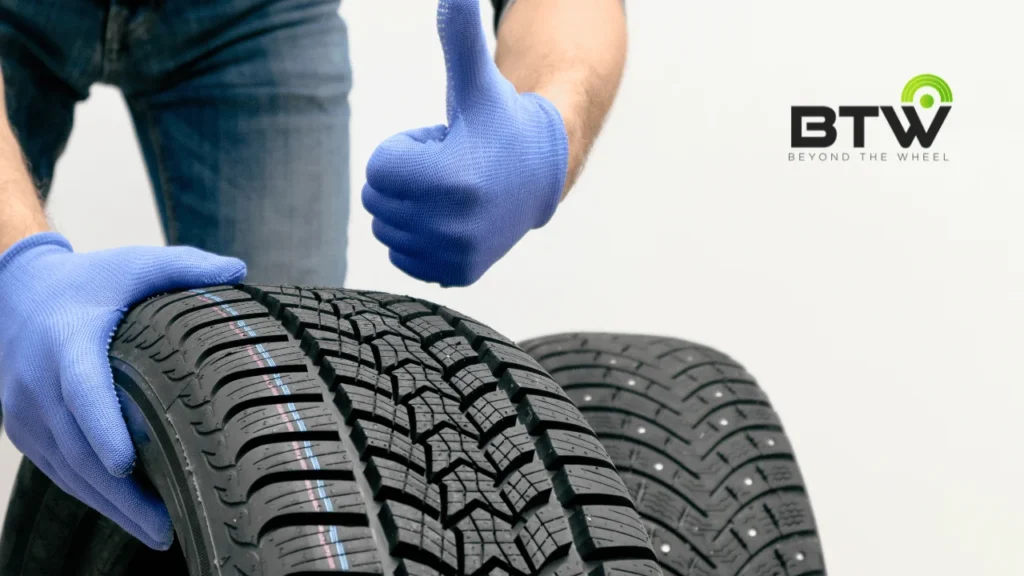
Maintaining a vehicle fleet requires special attention to the condition of the tires, as their wear not only compromises driver safety but also impacts operating costs. Identifying signs of deterioration in time can make the difference between a safe trip and costly unexpected repairs. How to identify irregular wear in commercial tires One of the first signs of tire problems is uneven tread wear. When the contact surface with the road does not wear evenly, it may be due to poor alignment, improper pressure calibration, or suspension failures. This not only reduces the tire’s lifespan but also increases fuel consumption by creating greater rolling resistance. Constant monitoring helps detect abnormal patterns and correct them before they generate additional costs. The impact of improper pressure on tire lifespan Incorrect tire pressure is one of the leading causes of premature wear and unexpected failures. If the pressure is too low, the tire experiences accelerated wear on the sides and an increased risk of overheating, which can lead to blowouts. On the other hand, excessive inflation reduces traction and concentrates wear in the center of the tread. Implementing real-time monitoring systems helps maintain optimal pressure levels and prevent incidents that could affect fleet operations. How telemetry technology optimizes tire management The use of technological solutions allows precise monitoring of tire conditions in each fleet unit. Advanced telemetry systems collect real-time data on pressure, temperature, and wear, enabling proactive management. This information helps prevent unexpected failures and schedule timely maintenance, optimizing resources and reducing costs from unforeseen repairs. Integrating these tools not only improves safety but also extends tire life and reduces fuel consumption. With the support of specialized solutions, it is possible to minimize risks and maximize operational efficiency. To learn how technology can optimize tire management in your fleet, speak with a Beyond The Wheel advisor and get detailed insights on the best options for your company.
How to Optimize Fuel Usage with Sensors and Telematics in Fleets
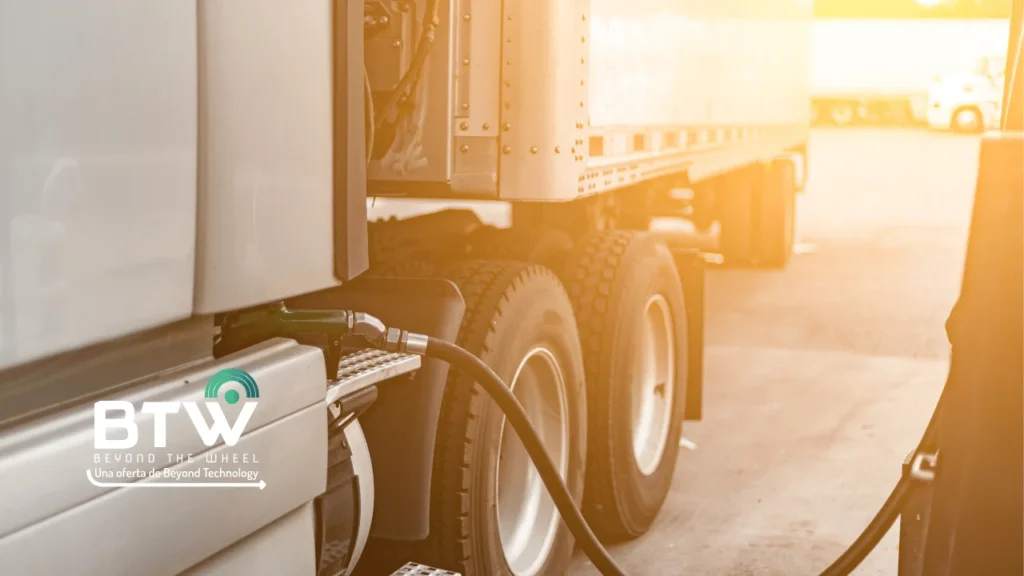
Fuel consumption is one of the highest operating costs for transportation and logistics companies. Adopting technologies like telematics and smart sensors helps improve fuel efficiency, reduce waste, and extend vehicle lifespan. Implementing these solutions not only impacts profitability but also contributes to lowering the fleet’s environmental footprint. Real-time monitoring to improve fuel performance Using sensors connected to telematics systems allows real-time analysis of each unit’s performance. These devices collect data on driving habits, speed, RPM, and idling time, among other factors that directly influence fuel consumption. By analyzing this information, companies can identify inefficient patterns and implement corrective strategies such as driver training or route optimization. Additionally, continuous monitoring helps detect mechanical failures that may be affecting performance, enabling preventive action before they become major issues. Reducing diesel consumption with advanced telematics alerts The most advanced telematics platforms provide real-time alerts for behaviors that increase fuel consumption, such as sudden acceleration or unnecessary braking. These notifications help correct driver actions on the spot and encourage more efficient driving. Predictive analytics tools can also anticipate when a vehicle is consuming more fuel than usual, making it easier to schedule preventive maintenance. This not only helps reduce costs but also minimizes fleet downtime and improves operational planning. Route optimization and reduction of unnecessary mileage Another key factor in reducing fuel consumption is route planning based on telematics data. These systems help avoid routes with heavy traffic, steep inclines, or poor road conditions that may affect engine efficiency. Artificial intelligence in these platforms enables dynamic recommendations to adjust routes based on real-time traffic conditions. By minimizing unnecessary mileage, companies can lower fuel expenses without compromising delivery schedules. Discover how to optimize your fleet’s performance Implementing sensors and telematics is essential for reducing operational costs and improving fuel efficiency in transportation fleets. Beyond The Wheel offers specialized solutions for companies looking to optimize their operations with advanced technology. Speak with an advisor today and learn how this innovation can benefit your business.
The Impact of Poorly Maintained Tires on Transportation Operating Costs
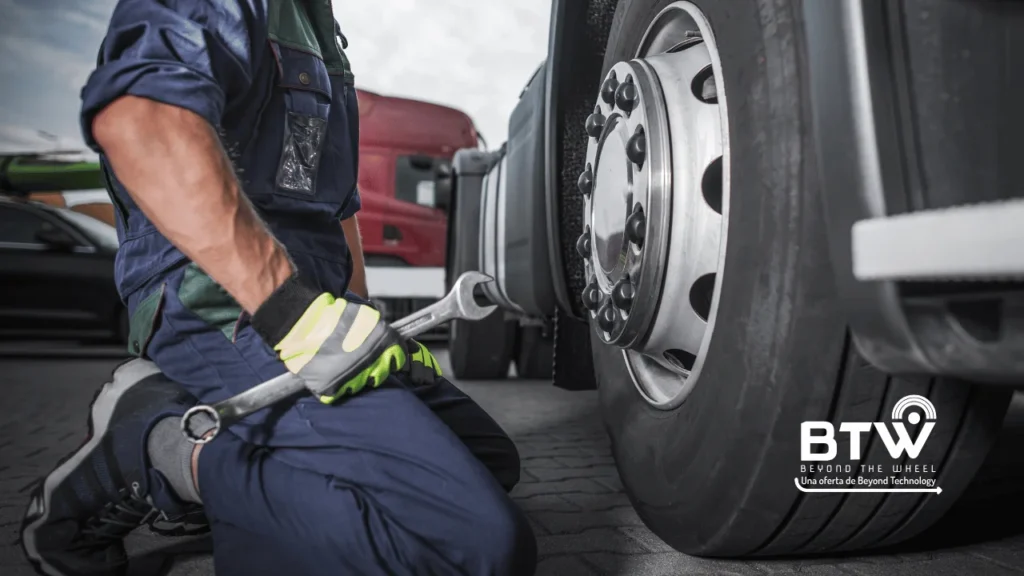
Tire maintenance is a critical aspect often overlooked in fleet management. However, proper care not only ensures road safety but also directly affects the operating costs of a transportation company. Neglecting this essential task can lead to unnecessary expenses, ranging from increased fuel consumption to unexpected repairs. How deflating tires affect fuel efficiency Tire pressure significantly influences fuel efficiency. When tires are underinflated, the contact surface with the pavement increases, generating greater rolling resistance. This added resistance forces the engine to work harder, leading to higher fuel consumption. Specialized studies reveal that a 20% decrease in recommended tire pressure can increase fuel consumption by up to 5%. Maintaining the proper pressure not only conserves energy resources but also reduces the carbon footprint of operations. Mechanical risks stemming from uneven tire wear Uneven tire wear is another common issue caused by poor maintenance. This phenomenon may result from misalignments, lack of tire rotation, or improper pressure. Tires with uneven wear create imbalanced stress on key vehicle components, such as suspension and steering systems. Over time, this raises the likelihood of mechanical failures, which can lead to unplanned downtime and costly repairs, directly affecting operational profitability. The link between tire monitoring and road safety Neglecting tire maintenance impacts budgets and compromises the safety of drivers and cargo. Tires with insufficient pressure, excessive wear, or visible damage significantly increase the risk of accidents. Additionally, on-road incidents cause operational delays and erode customer trust. Implementing advanced monitoring technologies helps identify potential issues before they escalate, enhancing both transportation safety and efficiency. If you’re looking to optimize your fleet’s operating costs and ensure safer, more efficient transportation, Beyond The Wheel offers advanced monitoring and telematics solutions tailored to your needs. Speak with one of our advisors to learn more.
The importance of telemetry in modern logistics: Beyond GPS
In the competitive world of modern logistics, technological tools have become essential pillars for optimizing operations and reducing costs. While GPS has long been the primary solution for tracking vehicles, telemetry emerges as a resource that transforms data into valuable insights. Its ability to monitor vehicle performance and condition positions it as a strategic tool in fleet management. Vehicle performance monitoring for more efficient operations Telemetry not only provides the location of a unit but delves deeper into details that optimize performance. From fuel consumption to engine usage, this technology allows companies to identify patterns that directly impact operating costs. With real-time access to these indicators, businesses can anticipate problems, implement energy-saving strategies, and extend vehicle lifespan, creating a positive impact on profitability. Proactive safety with advanced telemetry Another area where telemetry surpasses GPS is in its ability to improve fleet safety. Data on speed, harsh braking, or sharp turns provide a clear picture of driver behavior and the mechanical condition of trucks. These metrics help implement preventive measures that protect assets and the human teams operating them. Reducing road risks also means minimizing disruptions in logistics operations. Optimizing preventive maintenance in vehicle fleets Continuous monitoring of components like tires, braking systems, or the temperature in refrigerated trailers allows companies to perform maintenance before major breakdowns occur. This predictive capability minimizes downtime and ensures deliveries are made as planned, a critical factor in a market where punctuality is key to customer loyalty. With these advantages, telemetry establishes itself as a resource that goes far beyond traditional tracking, integrating seamlessly into the operational strategies of leading logistics companies. To discover how these solutions can transform your fleet management, speak with a Beyond The Wheel advisor and take your operations to the next level.
How advanced technologies are transforming fleet maintenance
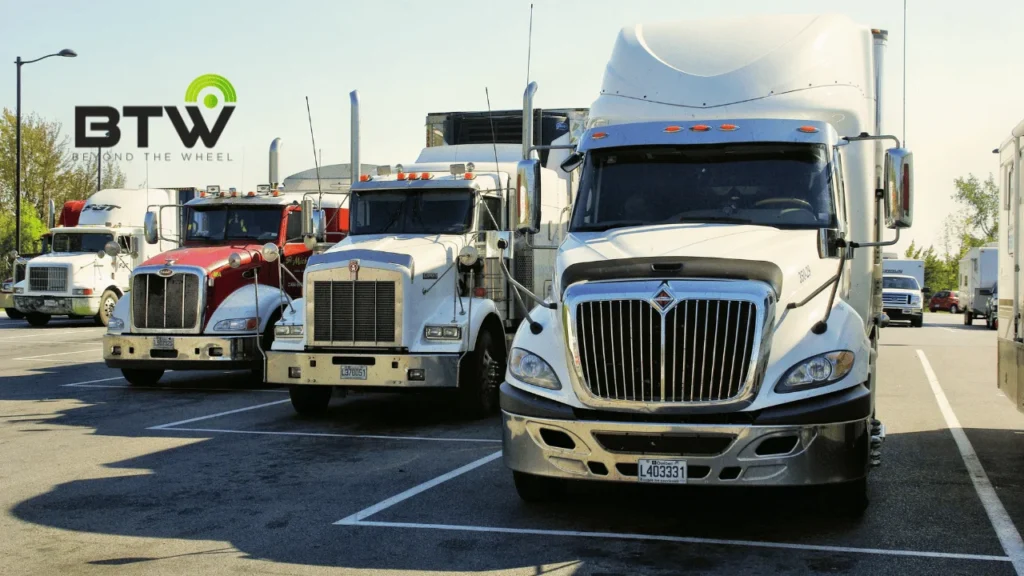
The evolution of technology has driven profound transformations in the way companies manage their fleets. Innovative tools such as tire monitoring systems, pressure sensors, and specialized software have enabled process optimization, cost reduction, and safer, more efficient operations. These solutions, combined with real-time data analysis, offer new perspectives for fleet managers striving to remain competitive. Performance optimization with advanced tire pressure sensors Tire wear and pressure changes are critical factors affecting vehicle performance and safety. Advanced pressure sensors enable continuous monitoring, providing real-time alerts about deviations that could jeopardize operations. By preventing incidents like blowouts or uneven wear, these tools not only extend tire lifespan but also reduce fuel consumption, resulting in significant savings for businesses. Management software for efficient predictive maintenance The implementation of specialized fleet maintenance software provides a comprehensive view of each vehicle. These platforms not only record historical data but also generate predictions based on advanced algorithms. This allows maintenance to be scheduled before failures occur, reducing downtime and enhancing productivity. Furthermore, by integrating data with other technologies, such as temperature sensors or GPS monitoring, businesses achieve more precise control of their entire operation. The impact of telemetry on fleet management Telemetry has changed the way fleet managers monitor their operations. This system collects critical information about vehicle conditions, from speed to engine temperature, facilitating data-driven decisions. Temperature monitoring sensors are essential for fleets transporting perishable goods, ensuring optimal conditions during transit. This preventive approach not only protects assets but also improves customer satisfaction by ensuring safe and timely deliveries. At Beyond The Wheel, we understand the importance of integrating these technologies into your fleet’s daily operations. If you want to explore how these solutions can transform your processes, schedule a consultation with one of our advisors. Our team is ready to help you optimize every aspect of your operations.
