
The main challenges in fleet management and how telematics can solve them

Fleet management is a complex task that involves balancing costs, maximizing efficiency, and ensuring the safety of assets and drivers. However, the inherent challenges of this operation can lead to significant economic and operational losses if not addressed effectively. Telematics has emerged as a comprehensive solution, turning these challenges into opportunities for improvement through its ability to collect and analyze real-time data. How to optimize vehicle performance with smart monitoring One of the most recurring problems in fleets is premature vehicle wear, caused by inefficient use, irregular maintenance, or lack of oversight. This can result in costly repairs and unexpected downtime. With telematics systems, managers can access detailed information about each unit’s condition, such as engine temperature, brake wear levels, and fuel consumption. This visibility enables preventative maintenance scheduling, extending vehicle lifespan and reducing long-term operational costs. Solutions for more efficient routes and lower logistic costs Inefficient route planning is another key challenge that affects both delivery times and fuel consumption costs. In this context, telematics enables the creation of optimal routes based on up-to-date data, such as traffic conditions, weather, and real-time vehicle location. Additionally, historical route analysis helps identify inefficiency patterns and correct them, resulting in a more agile and competitive operation. How to enhance fleet security with advanced technology Driver and cargo safety is a priority for any transport company. Reckless driving practices or theft incidents can pose significant risks. With telematics tools, it’s possible to monitor driver behavior, detect sudden braking or rapid acceleration events, and receive alerts for route deviations. These features not only improve safety but also foster a culture of responsibility among operators. The implementation of telematics solutions provides a competitive edge for companies looking to optimize their fleet operations. If you want to learn how these technologies can transform your fleet management, contact Beyond The Wheel and speak with one of our expert advisors.
How satellite tracking is transforming logistics in transportation and distribution

The transportation and logistics sector faces constant challenges related to delivery punctuality, fleet security, and operational efficiency. The adoption of technologies like GPS-based satellite tracking has revolutionized the way companies manage their logistics operations. This innovation not only enhances overall fleet performance but also strengthens customer trust through more precise and real-time control. The impact of satellite tracking on delivery punctuality Punctuality is a key factor in transportation and distribution, as it directly influences customer satisfaction. Thanks to GPS, companies can monitor the real-time location of each vehicle, anticipating potential delays caused by traffic, weather conditions, or unexpected detours. This level of visibility allows operators to optimize routes on the go, ensuring deliveries are made on schedule. Additionally, with access to historical data, businesses can analyze patterns and adjust schedules or routes to prevent recurring issues, continuously improving their responsiveness. Enhancing fleet security with satellite tracking Satellite tracking is not just a planning tool but also an ally in asset protection. By knowing the exact location of each unit, companies can act quickly in cases of theft or unauthorized deviation. Some solutions even enable remote vehicle immobilization, reducing the risk of loss. Moreover, modern GPS systems include alerts that notify operators about risky driving behaviors, such as speeding or abrupt braking. This fosters road safety and helps drivers adopt more responsible practices, reducing accidents and associated costs. Real-time monitoring and control for strategic decisions Real-time control is a critical differentiator in modern logistics. Companies that implement satellite tracking technologies gain instant access to key information about their fleet operations, enabling them to make strategic decisions promptly. For example, if a customer requests an update on their delivery status, the operator can provide accurate data instantly. This not only improves the customer experience but also reduces workload in support centers. By centralizing information and making it accessible through intuitive platforms, businesses achieve an efficiency level that was previously unattainable, increasing their competitiveness in an increasingly demanding market. Transform your logistics operations today If you’re ready to take your fleet management to the next level, Beyond The Wheel offers satellite tracking solutions designed to optimize every aspect of your logistics. Talk to one of our advisors and discover how you can enhance security, punctuality, and real-time control of your operations. Contact us today for more information.
Impact of fuel usage on fleet operating costs

Fuel usageis one of the most significant factors in fleet operating costs. This expense not only represents a substantial portion of the transportation budget but also impacts the competitiveness and sustainability of companies in sectors such as logistics and distribution. Optimizing fuel management is essential to reducing costs, improving performance, and enhancing overall operational efficiency. How to monitor fuel performance to optimize expenses Accurate fuel performance monitoring is crucial for understanding how this resource is being used and identifying unnecessary consumption patterns. Implementing telemetry systems and tracking technology allows real-time data collection on driving habits, routes taken, and operating hours. This facilitates identifying areas for improvement and helps companies make informed decisions to reduce operational expenses. Tools like the Fuel Level Sensor (FLS) are particularly effective for obtaining precise measurements and preventing discrepancies in recorded consumption. Additionally, these solutions enable the detection of leaks or unauthorized fuel losses, enhancing control over this significant expense. Impact of routes and driving habits on fuel usage Efficient route planning and driver training in responsible driving techniques have a direct impact on reducing fuel usage. Poorly planned routes or aggressive driving practices such as rapid acceleration and hard braking can significantly increase costs. On the other hand, adjusting driver behavior and optimizing route logistics can lower expenses and extend vehicle lifespan. Moreover, a preventive approach through regular maintenance ensures that the fuel system, including key components like the fuel dipstick, operates at its best. These practices not only reduce fuel expenses but also minimize the risk of unexpected breakdowns that could disrupt operations. Benefits of integrating technological solutions in fleet management Integrating advanced technology into fleet management not only reduces operating costs but also increases transparency and control over resources. Solutions like GPS tracking systems and fuel monitoring sensors allow managers to gain a comprehensive view of operations in real time. These tools are particularly useful for monitoring fuel levels, tracking routes, and continuously optimizing vehicle performance. The analysis of data collected by these technologies facilitates the implementation of cost-saving strategies, such as identifying high consumption patterns or choosing more economical routes. Ultimately, this translates into greater profitability and sustainability for logistical operations. If you want to optimize fuel management and reduce your fleet’s operating costs, Beyond The Wheel can help. Speak to one of our advisors today and discover how our technological solutions can transform your operations.
Main risks of driver fatigue in freight transport

Fatigue is a critical issue in the freight transport sector, where long working hours and demanding conditions can affect both driver safety and productivity. This situation compromises efficient fleet operations and can have severe consequences for logistics chains. Implementing technological solutions allows real-time monitoring and prevention of driver fatigue, reducing risks and optimizing performance. How does fatigue impact the safety of heavy vehicle drivers? Prolonged exhaustion significantly reduces drivers’ responsiveness and concentration. Studies show that drowsiness impairs situational awareness and increases reaction times to unexpected events, raising the likelihood of serious road accidents. In an industry where precision and on-time delivery are essential, the impact of such incidents goes beyond economic losses, endangering lives and corporate reputations. Real-time monitoring of drivers’ physical condition and behavior through telematics systems and data analysis helps identify fatigue patterns and anticipate risks. These solutions alert both operators and fleet managers, enabling timely intervention to avoid critical situations. Fatigue as a factor affecting productivity in freight operations Beyond road safety risks, fatigue has a direct effect on drivers’ productivity. Performance declines when operators work under extreme exhaustion, which can delay deliveries and reduce overall operational efficiency. A fleet with low productivity levels negatively impacts the profitability of transport companies. Technological solutions focused on fatigue monitoring optimize routes and driving times, enabling scheduled breaks and reducing drivers’ physical strain. This not only improves their performance but also ensures more efficient fulfillment of logistics commitments. Technological solutions for fatigue management in freight fleets The use of advanced tools like telematics systems, fatigue sensors, and data analysis in heavy transport fleets has transformed how this challenge is addressed. These technologies gather precise information on driver behavior, such as irregular movements, speed variations, and extended driving times without rest, generating automatic alerts to help prevent incidents. Additionally, these platforms enable fleet managers to make more informed decisions regarding route planning and shift management. The result is a safer, more efficient operation that protects drivers and strengthens companies’ competitive position in the market. Driving under optimal conditions not only ensures safety but also enhances the overall performance of freight operations. Improve driver safety with specialized solutions At Beyond The Wheel, we understand the importance of keeping freight transport operations safe and productive. If you’re looking to optimize your fleet’s performance and protect your drivers, speak to one of our advisors to learn more about our technology-driven solutions for fatigue prevention.
How to ensure the security of your vehicles against GPS signal interference

Efficient and secure fleet management faces multiple challenges, especially when it comes to maintaining the integrity of tracking systems. GPS signal interference, often intentionally caused by devices known as jammers, poses a significant risk. Protecting your vehicles and fleet operations requires proactive strategies based on advanced technology and best practices. Technological solutions to mitigate the impact of signal blockers Using jammer detection systems is a key tool to identify and counteract sabotage attempts in real time. These devices work by detecting anomalies caused by interference and issuing immediate alerts to the operator. Implementing them not only strengthens vehicle security but also enables companies to react quickly to potential threats. Investing in this technology provides significant returns by safeguarding both physical assets and the continuity of logistics operations. Continuous monitoring as a preventive measure in fleet management Integrating advanced monitoring platforms that combine satellite tracking with real-time data analysis is essential for preventing risks. These tools enable the identification of suspicious patterns and record incidents related to signal loss. Additionally, they provide complete visibility into fleet operations, ensuring each unit is protected against potential threats. A robust solution should also include redundancies, such as backup systems that maintain vehicle locations even during temporary GPS interruptions. Training personnel to handle interference threats Beyond technology, training the staff responsible for fleet management is crucial to ensuring a timely response to any unusual situations. Operators and logistics managers must understand how tracking and detection systems function, as well as the steps to take when alerts occur. This comprehensive approach minimizes response time and enhances the effectiveness of security measures, improving the overall protection of assets. Protecting your fleet’s operations against GPS interference is a challenge that requires innovative solutions and a comprehensive strategy. At Beyond The Wheel, we have the tools and expertise to help you maintain the security of your vehicles. Speak with one of our advisors to learn more about our solutions designed to protect your fleet and ensure the continuity of your operations.
Main problems in tire maintenance for transport fleets

Tire maintenance in transport fleets is a constant challenge for companies in the sector. Poor management can result in high operational costs and compromise vehicle safety. Beyond technical aspects, fleets face legal and operational challenges that demand a comprehensive approach to ensure performance and operational sustainability. Impact of uneven tire wear on transport efficiency Uneven tire wear is one of the most common issues in fleet management. This is often related to improper wheel alignment or the lack of periodic tire rotation. Such wear not only reduces the tire’s lifespan but also increases fuel consumption by affecting the vehicle’s stability and performance. The absence of proactive monitoring can turn a minor issue into a cause of operational delays and significant economic losses. How an improper tire pressure impacts safety and costs Maintaining optimal tire pressure is not just about efficiency; it is also key to ensuring road safety. Low tire pressure generates increased heating and wear, while overinflation heightens the risk of blowouts. Both scenarios lead to additional costs, ranging from unexpected repairs to operational interruptions. Utilizing constant monitoring tools is essential to prevent these incidents and maximize tire lifespan. Consequences of illegal tire replacement practices Unregulated tire replacement poses risks for fleets from both operational and legal perspectives. In some cases, second-hand tires that fail to meet required safety standards are used, compromising vehicle integrity. Additionally, these practices can expose companies to legal sanctions and harm their reputation. Ensuring partnerships with certified suppliers and conducting regular inspections can help avoid severe consequences for the organization. Proper tire monitoring not only protects a company’s investment but also improves operational efficiency and safety. If you’re looking to optimize tire management and reduce operational costs, we invite you to learn more about our solutions. Beyond The Wheel offers innovative tools and specialized advice. Speak with an advisor today to boost your fleet’s performance.
What is fuel monitoring and why is it essential for fleets?
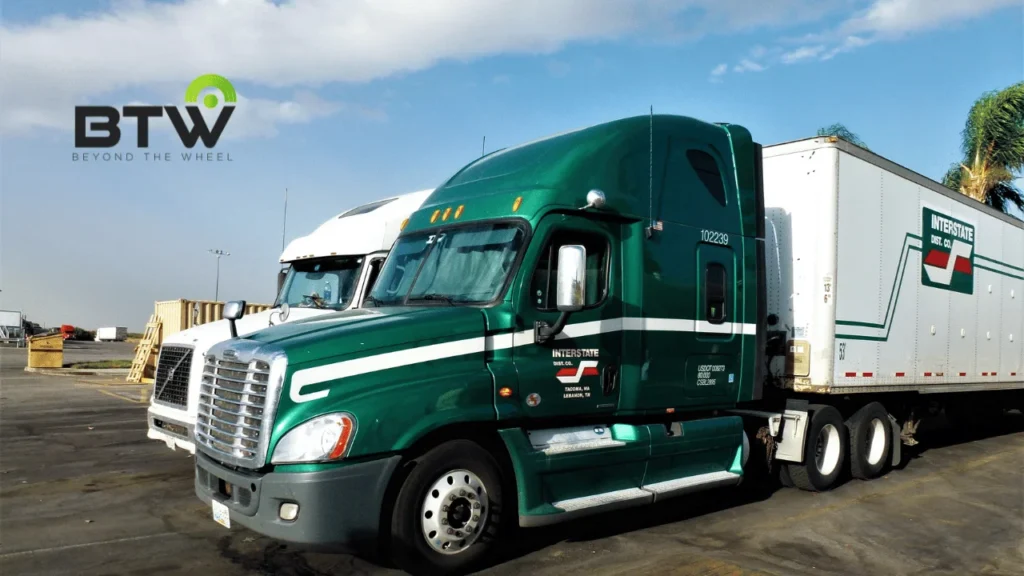
In fleet management, one of the most significant operational challenges is the efficient handling of fuel. This resource represents a considerable percentage of total costs, and without proper control, it can lead to financial losses that negatively affect profit margins. Fuel control is a technological solution designed to monitor consumption, levels, and potential irregularities in real time, providing companies with a clearer and more precise view of their operations. Real-time consumption monitoring to reduce waste Real-time monitoring, through Fuel level sensors of FLV helps identify consumption patterns and detect waste caused by poor driving practices, such as speeding or prolonged idling. Additionally, with visibility into vehicle-specific consumption, companies can make informed decisions to implement optimization strategies, whether by adjusting routes, training drivers, or evaluating fleet performance. Fraud prevention and leak detection One of the biggest risks in fuel management is theft or misuse of the resource. Advanced control solutions include precision sensors that alert about sudden drops in fuel levels. This not only protects company assets but also fosters operational transparency and strengthens trust within the team. Impact on operational efficiency and sustainability Beyond immediate savings, fuel control contributes to sustainability by reducing unnecessary consumption and, consequently, carbon emissions. A more efficient fleet not only lowers costs but also aligns with market demands for more environmentally responsible operations. Integrating these technologies enables companies to become more competitive and respond to customer demands with greater agility. Discover how to take your fleet’s efficiency to the next level At Beyond The Wheel, we offer advanced fuel monitoring solutions tailored to your needs. Speak with one of our advisors and transform the way you manage your operations.
Important fleet management issues and how GPS technology can help

Efficient fleet management faces numerous daily challenges. From resource optimization to asset security, companies seek tools to maintain control and enhance productivity. Among the most effective solutions, GPS tracking has emerged as a key technology to address these difficulties, transforming how vehicles are managed. Optimizing routes and reducing delivery times with technology tools Route planning represents one of the greatest challenges in fleet logistics. Unexpected traffic changes, adverse weather conditions, or planning errors can cause significant delays. This not only impacts delivery punctuality but also customer perception and operational costs. GPS tracking allows managers to monitor each vehicle’s location in real time and adjust routes as needed. With advanced mapping systems and predictive algorithms, it’s possible to identify faster and safer routes, avoiding congestion and optimizing every trip. This way, companies improve response times and achieve more efficient operations. Solutions for fuel monitoring and cost control Fuel consumption is one of the main operational expenses for any fleet. Without the right tools, identifying leaks, waste, or inefficient usage can be challenging, directly impacting profit margins. Thanks to telemetry systems integrated with GPS technology, managers can track consumption patterns in real time, identify irregularities, and make informed decisions to reduce costs. Additionally, this technology helps detect practices like speeding or prolonged engine idling, two factors that contribute to fuel waste. Enhancing vehicle security with advanced tracking systems The safety of vehicles and cargo is a top priority for companies managing large fleets. Vehicle or cargo theft can lead to considerable losses and disrupt operations. By implementing GPS solutions, organizations can continuously track each unit, making recovery easier in case of incidents. Some platforms even offer automatic alerts when a vehicle leaves a predefined perimeter, strengthening asset security and reducing risks associated with loss. Transform your fleet management with beyond the wheel Implementing GPS technology in fleet management not only addresses common issues but also unlocks new opportunities to maximize productivity and improve customer service. At Beyond The Wheel, we offer advanced solutions tailored to your company’s needs. Speak with one of our advisors and discover how we can help transform your operations.
Why tire monitoring is key to fleet safety and efficiency

Proper tire maintenance is essential for companies operating vehicle fleets. Although its importance is often underestimated, tires play a fundamental role in road safety and cost reduction. An efficient monitoring system can make the difference between smooth operations and costly issues. How proper tire maintenance prevents road accidents The condition of tires directly impacts vehicle stability and control, especially under adverse conditions. Factors such as improper pressure or excessive wear significantly increase the risk of incidents. In transport fleets, where heavy loads and long distances are routine, these risks multiply. Detecting issues early through monitoring systems ensures optimal conditions, protecting both drivers and company assets. Lowering operational costs with tire monitoring systems Efficient tire management not only enhances safety but also reduces operational expenses. Incorrect pressure can increase fuel consumption, while uneven wear leads to premature replacements. Advanced technological solutions, such as sensors, help identify problems before they escalate into major expenses, optimizing resources and maximizing each tire’s lifespan. Advanced technology for continuous tire monitoring The advancement of telematics allows fleet managers to access real-time data on pressure, temperature, and wear. These tools not only provide a detailed overview of tire conditions but also enable data-driven decision-making. This is essential to ensure each vehicle meets safety and efficiency standards, minimizing unexpected issues and improving overall productivity. Consult with an expert for customized solutions Maintaining fleet safety and efficiency requires reliable tools and specialized advice. Beyond The Wheel offers advanced monitoring solutions tailored to the specific needs of each business. Speak with one of our advisors and discover how to enhance your operations while reducing costs.
What Is a fatigue monitoring camera and why is it crucial for fleet safety?
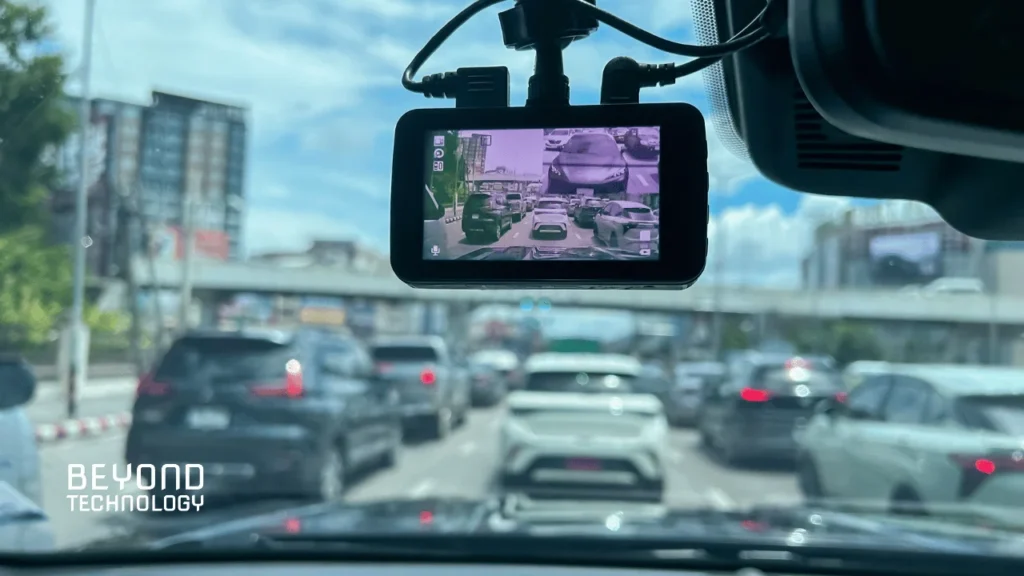
Road safety is a critical concern for companies managing vehicle fleets. One of the leading causes of accidents is driver fatigue, a problem that is often difficult to detect in time. To address this challenge, fatigue monitoring cameras have emerged as an innovative and effective technological solution. These devices not only monitor the driver’s condition in real time but also serve as an alert system for potential risks. How a smart camera detects signs of driver fatigue Fatigue monitoring cameras are designed to analyze driver behavior using advanced algorithms. These devices track indicators such as blink frequency, gaze direction, and head movements. Additionally, some models are equipped with infrared sensors that function in low-light conditions, ensuring constant monitoring throughout the workday. When the system detects patterns that indicate extreme tiredness or distraction, it issues audible and visual alerts to help the driver refocus or take a break. These features not only prevent accidents but also contribute to the drivers’ well-being by encouraging safer and more responsible driving. Technology as an ally in accident prevention Integrating fatigue monitoring cameras into fleet management translates not only into enhanced safety but also operational benefits. Preventing accidents significantly reduces costs associated with repairs, insurance, and downtime. Moreover, adopting this technology enhances the perception of corporate responsibility, which is key to building trust with clients and business partners. Beyond immediate alerts, the data collected by these cameras can also be analyzed to optimize routes and improve drivers’ rest policies. In this way, companies achieve an effective balance between safety and operational efficiency. Why modern fleets must adopt this technology In today’s competitive transportation and logistics sector, ensuring operational safety is a strategic differentiator. Fatigue monitoring cameras are not a luxury but a necessity for any fleet that prioritizes road safety and driver protection. This technology reinforces a company’s commitment to higher standards of responsibility and on-road performance. Investing in advanced monitoring tools not only addresses immediate challenges but also positions businesses as leaders in innovation and safety within the sector. To learn how fatigue monitoring cameras can transform the safety of your fleet, speak with a Beyond The Wheel advisor. Get personalized guidance and discover solutions to elevate your business to the next level.
