
How advanced sensors are transforming fleet management safety

Fleet management faces constant challenges, especially in the realm of safety. Accidents, mechanical failures, and vehicle wear are latent risks that can lead to high operational costs and compromise personnel safety. In this context, advanced sensors have become key allies, providing solutions that not only enhance operations but also prevent incidents before they occur. Monitoring mechanical conditions to prevent critical failures The implementation of sensors in key vehicle systems enables the identification of anomalies in real time. For instance, tire pressure sensors detect dangerously low levels that could result in blowouts or skidding. Additionally, engine sensors continuously monitor parameters such as temperature, oil levels, and overall performance, alerting operators to potential issues before they cause significant damage. This proactive monitoring improves safety while optimizing maintenance costs by preventing expensive repairs. Fatigue detection technology for drivers Road safety heavily depends on the physical and mental condition of drivers. Fatigue detection sensors monitor operator behavior through driving patterns, steering movements, and continuous driving time. When signs of fatigue are identified, the system issues immediate alerts for the driver to take corrective actions, such as taking a break. This technology significantly reduces the risk of accidents caused by lapses in attention. Enhancing safety with real-time GPS tracking GPS tracking not only facilitates vehicle location but also plays a crucial role in fleet safety. With this technology, operators can monitor routes in real time, detect unauthorized deviations, and respond promptly to emergencies such as theft or accidents, even combining it with jammer detection systems. Additionally, trip data analysis helps identify risky driving patterns like speeding or hard braking, allowing for corrective measures that improve driver behavior and reduce road incidents. Advancements in sensor technology are creating a turning point in fleet management, delivering solutions that prioritize safety while optimizing operational performance. If you’re interested in implementing these tools for your fleet, Beyond The Wheel offers the solutions you need. Talk to an expert today and discover how to transform your operations.
What are jammers, and how do they affect fleet operations?
In the transportation and logistics sector, fleet security faces significant challenges due to the use of devices like jammers. These tools, designed to block communication signals, pose a direct threat to operational efficiency and asset protection. Understanding how they work, and the associated risks is essential to mitigating their impact. How signal jamming devices operate in fleets A jammer is a device that interferes with communication signals by emitting frequencies that disrupt data transmission between devices. In the transportation context, they are often used to neutralize GPS tracking systems and other monitoring technologies, leaving vehicles out of reach of central control. This not only prevents the location of a vehicle from being tracked but also disrupts communications related to security and logistics, directly affecting the ability to respond to incidents. Risks to logistics and transportation from jammer usage The proliferation of these devices presents severe risks to transport fleets. Criminals use jammers to facilitate cargo theft by disabling tracking systems. This not only results in significant financial losses but also potential contractual breaches and damage to a company’s reputation. Additionally, the lack of real-time information hampers operational decision-making, especially on critical routes or in high demand monitoring environments. Measures to protect transport fleets against interference Adopting advanced solutions can make a crucial difference in jammer protection. Telemetry and satellite tracking providers offer systems designed to detect interference attempts and activate emergency protocols. These solutions ensure fleet operations remain functional, prevent asset losses, and reinforce customer trust. Investing in cutting-edge technology is a necessary step for companies seeking to maintain operational integrity against these threats. Get personalized advice to protect your fleet If you want to learn more about mitigating the risks posed by jammers in transportation, Beyond the Wheel has experts ready to provide solutions tailored to your needs. Speak with an advisor today and strengthen your operations with state-of-the-art technology.
Why Is GPS satellite tracking so important for transportation fleets?
GPS satellite tracking has changed how transportation companies manage their daily operations. This technology not only optimizes vehicle monitoring but also significantly enhances the safety and efficiency of fleets, which are crucial factors for staying competitive in a constantly challenging industry. Enhancing safety with real-time monitoring systems Fleet safety is a priority for any business relying on the transportation of goods. Having a satellite tracking system provides real-time updates on the location of each unit, enabling immediate responses to unexpected events such as accidents or theft attempts. Additionally, the ability to identify safer routes minimizes risks associated with traveling through high-risk areas, ensuring the protection of both drivers and cargo. Operational efficiency through route optimization One of the most notable benefits of GPS tracking is its impact on operational efficiency. By providing precise data on traffic, road conditions, and arrival times, companies can design more effective routes that reduce delivery times and costs related to fuel consumption. This level of optimization is vital for improving customer satisfaction by meeting strict deadlines and minimizing delays. Comprehensive control in fleet management GPS satellite tracking goes beyond locating vehicles; it integrates with telematics tools to offer full control over fleets. From monitoring engine health to analyzing driving patterns, this technology helps businesses identify areas for improvement in vehicle performance. This not only extends the lifespan of the vehicles but also reduces unnecessary expenses on repairs or unexpected maintenance. Learn how to implement these solutions with Beyond the Wheel If you want to take your fleet management to the next level, Beyond the Wheel offers tailored solutions for transportation companies. Contact us to speak with an advisor and discover how to integrate GPS satellite tracking systems to boost the safety and efficiency of your operations.
What is vehicle telemetry, and how does it change fleet management?
Vehicle telemetry has changed how companies manage their fleets, enabling more precise and efficient control of each unit. In simple words, it is a system that collects and transmits real-time data from vehicles to a monitoring center using technologies like GPS, specialized sensors, and communication networks. This constant flow of information allows fleet managers to make informed decisions to optimize performance, safety, and operational costs. How does telemetry work in fleet management? The core of telemetry lies in the devices installed in vehicles, which gather critical data such as location, speed, fuel consumption, and mechanical status. This information is transmitted through mobile or satellite networks to digital platforms where it is processed and presented in a visual and practical format. Thanks to this technology, managers can identify usage patterns, predict mechanical failures, and maintain continuous operational oversight. This continuous monitoring capability not only provides a complete overview of each vehicle’s condition but also enables the implementation of preventive measures to reduce downtime, optimize routes, and improve overall fleet performance. Key benefits of telemetry in fleet management Integrating telemetry systems into vehicle fleets offers numerous strategic advantages. One of the most significant is the potential to reduce operational costs. With precise data on fuel consumption and predictive maintenance, companies can avoid unnecessary expenses and extend the lifespan of their assets. Additionally, telemetry significantly enhances safety. By monitoring driving behaviors, such as hard braking or speeding, training programs can be implemented to reduce on-road risks. Finally, logistics optimization is another essential pillar, as it allows for the design of more efficient routes and minimizes delivery times. Why is telemetry essential for your business? Adopting telemetry solutions is not just a technological upgrade but a strategic investment for any company relying on vehicle fleets, such as logistics companies, courier services, and retailers. In a competitive environment, the ability to manage resources efficiently translates into a crucial advantage that directly impacts customer satisfaction and business profitability. If you’re interested in discovering how telemetry can transform your vehicle operations and strengthen your fleet control, explore the advanced solutions from Beyond The Wheel. Contact us today to take your resource management to the next level.
How GPS satellite tracking works for transport and logistics fleets
GPS satellite tracking has become an indispensable tool for transport and logistics companies looking to optimize operations and reduce costs. This monitoring system allows fleet owners and logistics managers to gain real-time visibility into their vehicles’ locations while managing resources more strategically to ensure routes and schedules are met. What is GPS satellite tracking and how does it help fleet management? The GPS satellite tracking system works through a network of satellites that send geolocation signals to devices installed in each vehicle. These devices capture the signals and transmit the information to a central system, where fleet managers can view real-time data on each unit’s location, speed, and direction. This level of monitoring not only allows for detailed control of operations but also facilitates informed decision-making, improving service punctuality and optimizing vehicle use. For companies in the transport and logistics sector, having this technology is a key competitive advantage, as it enables more efficient route planning and helps anticipate potential delays or detours. Moreover, satellite tracking provides valuable data that helps analyze usage patterns and plan maintenance for each unit, contributing to extending the fleet’s lifespan and reducing associated costs. Benefits of GPS satellite tracking for fleet safety One of the main benefits of GPS satellite tracking is improved fleet safety. Knowing the exact location of each vehicle allows managers to act quickly in case of incidents or emergencies, whether to assist the driver or recover a vehicle in case of theft. The system also enables monitoring of driver behavior, identifying driving habits that may pose risks or increase vehicle wear. Access to this real-time data helps protect company assets while building customer trust, as clients receive accurate updates on delivery status and estimated arrival times. This transparency and control enhance the company’s image and provide a higher quality service, particularly in the competitive transport and logistics sector. How GPS satellite tracking drives operational efficiency GPS tracking is an essential tool for optimizing operational efficiency. With real-time visibility over each unit, companies can plan more efficient routes and minimize downtime. This also helps reduce fuel consumption by avoiding congested routes and ensuring vehicles follow predefined paths, improving delivery times and customer satisfaction. Additionally, the data analysis provided by the GPS tracking system allows companies to identify usage patterns that improve overall operational performance. With this information, logistics directors can make well-informed decisions regarding fleet maintenance and rotation, enhancing productivity and lowering operational costs. GPS satellite tracking for fleets is a solution that brings visibility, safety, and efficiency to transport and logistics companies. To learn more about implementing this technology in your business and optimizing operations, contact Beyond The Wheel and discover how these solutions can make a difference in your fleet management.
Preventing theft in Mexico through security and protection in freight transportation

In Mexico, where the rate of theft is startlingly high, freight theft is a serious problem that impacts the entire supply chain. The sector saw 5,984 thefts between January and September 2024, with an average of 660 instances per month and around 22 thefts per day, according to the ALITHIA report and SESNSP statistics. To lower financial losses and improve fleet security in this situation, efficient fleet management along with telemetry, satellite tracking, and tire monitoring becomes crucial. States with greater economic losses and theft incidence Key cargo transit states like the State of Mexico, Puebla, and San Luis Potosí have the largest concentration of freight thefts in Mexico, with 82% of reported occurrences occurring in these regions. Companies in the industry suffer large losses because of this degree of occurrence, which are estimated to be $4 billion on average every year. Food, drinks, gadgets, and other high-value items are the most impacted, which further affects the financial viability of businesses and their insurers. Critical points and vulnerabilities in freight transportation Every link in the transportation network has risks, according to risk assessments. The largest danger places are unloading zones, unsafe parking lots, and areas close to the destination; 34% of the most common risks are related to in-transit theft and deceit. Mitigating these dangers requires putting in place a continuous monitoring system, which includes geofencing, and implementing safe behaviors, like avoiding needless stops in crucial regions. Technologies to prevent theft in freight transportation Technological solutions like GPS satellite tracking, sophisticated telemetry systems, jammer detection systems, and tire monitoring sensors are essential for businesses that manage car fleets to prevent theft occurrences and react to them promptly. These solutions effectively monitor vehicle conditions, detect unwanted tampering, and offer real-time vehicle tracking. Are You Looking to Increase the Security of Your Fleet? For additional information, get in touch with us, or assess the advantages of introducing these technologies into your business using our ROI calculator.
How to select a provider of telemetry

Transportation businesses now consider telemetry to be a vital tool, particularly for fleet managers. Telematics offers distinct competitive advantages since it can monitor the performance of trucks, trailers, and other vehicles in addition to important factors like tire conditions and the temperature in refrigerated containers. Selecting the appropriate telemetry supplier is essential to guaranteeing peak performance and safeguarding assets. What telemetry is and why it matters The practice of gathering and sending data remotely, or telemetry, enables real-time asset monitoring, including cars, machinery, and other machinery. It is essential for fleet management in the transportation sector to ensure safe and effective operation. Telematic systems give businesses complete control over vehicle performance, optimizing operations and lowering risks in response to the increased demand for real-time monitoring. Telemetry is used in the transportation and logistics industry to support data-driven decision-making. This technology makes it possible to keep an eye on the mechanical health, fuel efficiency, and behavior of vehicles. Furthermore, technology plays a critical role in industries that handle temperature-sensitive goods, such the transportation of perishable and refrigerated food, to guarantee that ideal conditions are maintained during the trip. Telemetry tool use has increased dramatically. Recent research indicates that over 60% of the nation’s fleets are using technology to streamline operations. The necessity to lower operational expenses and raise road safety is what’s responsible for this rise. Telemetry solution types available A variety of telemetry solutions are available from providers to suit various requirements. Depending on the business, there are several choices for anything from temperature management in refrigerated trailers to fleet monitoring of vehicles. The most sophisticated telemetry systems even enable interaction with fleet management programs, allowing for in-depth, real-time asset tracking. Considerations before selecting a telemetry provider It is crucial to consider several aspects while choosing a telemetry supplier. These include the system’s compatibility with existing tech solutions, the precision of the data collected, and the software and platform’s usability. It is imperative to consider the accessibility of the gathered data, since prompt and instantaneous access can have a substantial impact on decision-making. It is important to select a provider who offers bespoke innovations if your organization needs them, as this will depend on the size and operation of your fleet. Customer service and technical support Just as crucial as the telemetry solution’s quality is the after-sale support. When issues arise, a trustworthy supplier need to provide prompt resolutions and effective technical assistance. Assessing the quality of customer service can be critical because having a team of experts on hand around-the-clock guarantees that any problems are fixed quickly. Plan cost and flexibility The price of a telemetry solution might vary greatly based on the provider and features available. It is wise to seek out suppliers with flexible plans that let you customize the service to your business’s unique requirements without going over your budget. It’s crucial to consider whether the service provides frequent updates. Some extra advice on selecting a supplier It’s critical to take reputation, service quality, technical support, and plan flexibility into account when selecting a telematics provider. The solutions you choose should be able to integrate with other fleet management systems and be customized to your company’s unique requirements. In addition to maximizing vehicle performance, proper telemetry can lower expenses and increase safety. At Beyond the Wheel, we are ready to help you find the best telemetry solution for your fleet. Contact us and request a personalized proposal that fits your needs.
Technologies for fleet management you should know
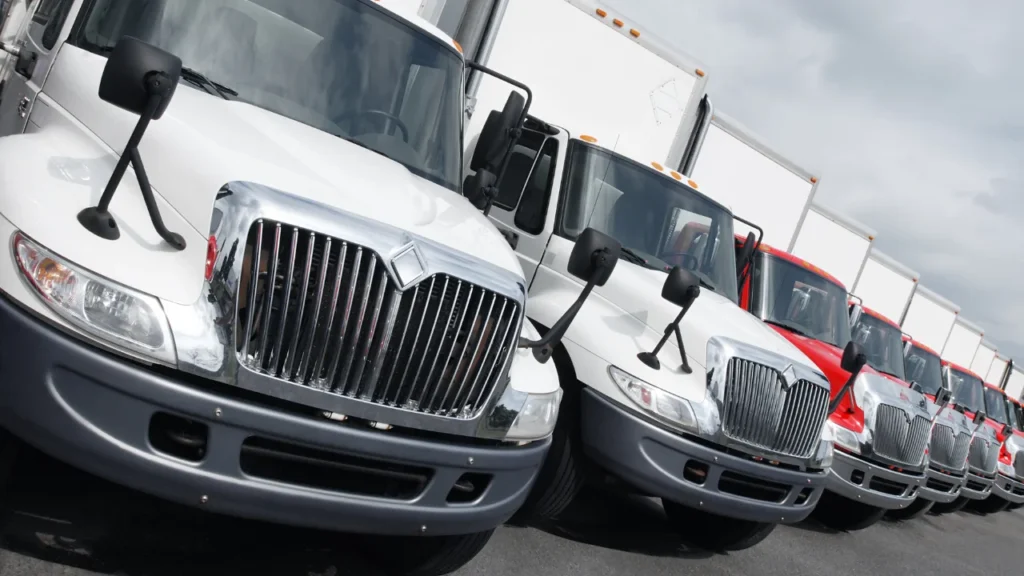
Fleet management has evolved significantly thanks to advances in various technologies such as the Internet of Things. These tools not only optimize vehicle control but also improve safety, reduce operational costs, and increase efficiency. Understanding the most important technologies in this field is key for any company looking to manage its resources effectively. Here are the latest technologies that can help you manage your truck or trailer fleet more efficiently. GPS Satellite Tracking Systems The use of GPS satellite tracking systems is essential for fleet management. This technology allows you to know the exact location of each vehicle in real-time, facilitating route tracking and control. With this information, companies can optimize travel time and respond more quickly to any incidents. Telemetry and Vehicle Control Telemetry integrates telecommunications and information technologies to manage and monitor vehicles. Through telematics, valuable information can be obtained about vehicle performance, driving habits, and maintenance needs, helping to prevent mechanical failures and improve road safety. Fleet Management Software Fleet management software centralizes all operations related to vehicle control. From unit tracking to route planning and data analysis, these solutions enable managers and control centers to make more informed and efficient decisions, contributing to better time and resource management. Fuel Control Monitoring and controlling fuel consumption is essential to reduce costs in fleet management. With the help of specific systems, such as the fuel level sensors (FLS), inefficient consumption patterns of gasoline or diesel, leaks, or even theft can be detected, allowing timely corrective actions to be taken. Engine Diagnostics Another key tool in fleet management is engine diagnostics through advanced sensors. This technology allows for the identification of mechanical issues before they become serious failures, reducing downtime and optimizing the vehicle’s lifecycle, as well as scheduling regular maintenance. Tire monitoring and wear Tire monitoring is another crucial aspect of maintaining vehicle performance. Specialized sensors can measure tire pressure and wear in real-time, alerting to potential risks of punctures or premature wear. This contributes to safer and more efficient driving while also helping to identify if tires are illegally swapped for those in worse condition. Jammer Detector Jammer detectors, also known as anti-jammers, are devices that prevent GPS signal interference. This is particularly important in situations where criminals attempt to block vehicle tracking. With this technology, companies can ensure they maintain control of their units, even in adverse conditions. Temperature Monitoring Temperature monitoring is crucial for fleets transporting sensitive goods, such as food or pharmaceuticals. With advanced sensors, it is possible to control the internal conditions of the vehicle in real-time and ensure that refrigerated compartments stay within the proper ranges. This not only helps preserve cargo quality but also complies with safety regulations and reduces the risk of losses due to improper temperatures. The ability to monitor temperature ensures that companies can offer a more reliable and efficient service. Vehicle Surveillance Cameras Surveillance cameras installed in vehicles provide an extra layer of security for both the driver and the cargo. This type of technology allows real-time recording, which is useful not only for resolving conflicts in case of accidents but also for improving driving behaviors. Communication and Connectivity Effective communication between vehicles and the central base is fundamental for efficient management. Connectivity, through mobile or satellite networks, allows managers to send and receive information in real-time, optimizing coordination and decision-making on a daily basis. These technologies have revolutionized the way fleets are managed, enabling companies to maximize efficiency, reduce costs, and ensure greater safety for everyone involved. Are you interested in implementing any of these solutions in your vehicle fleet? Contact us.
Everything on fuel level sensors you should know
Effective fuel consumption control is essential for fleet managers to cut expenses and boost output. In order to maintain accurate fuel monitoring through telematics solutions, fuel level sensor or FLS —which sense the amount of gasoline or diesel in one or more tanks—are crucial components. What are fuel level sensors? Fleet managers can better regulate each vehicle’s usage thanks to fuel level sensors, which measure the fuel level in one or more of a vehicle’s tanks and transmit real-time data about the amount of gasoline or diesel available. They aid in preventing wasteful use, identifying theft or losses, and streamlining driving patterns when combined with other telematics systems. How do telematics systems and FLS work together? Fuel level sensors communicate in real time with fleet management software by connecting to the vehicle’s telematics system. This enables managers to keep an eye on how much fuel is used in their trucks or trailers, examine usage trends, and spot any unusualities. The generation of comprehensive data that aid in route optimization, the identification of unproductive driving practices, and more effective refueling planning is made easier by integration with telematics. Fuel level sensors are an essential tool for any business trying to boost fleet productivity. Fleet managers may maximize fuel efficiency and maintenance expenses by using the accurate information they provide about each tank’s gasoline level to make well-informed decisions about how to operate their vehicles. Additionally, by assisting in the early detection of problems like leaks or excessive consumption, these rods can lower operating costs and increase the lifespan of vehicles. Types of telematics monitoring Fuel Level Sensors FLS come in several varieties that are intended to work with telematics monitoring systems. The most popular are ultrasonic rods, which utilize ultrasonic waves to measure liquid levels, and capacitive rods, which use fluctuations in electrical capacitance to measure fuel level variations. Both can be set up to deliver precise and current data in real-time alerts to fleet management software. Maintenance Fuel level sensors need to be properly maintained in order to guarantee accurate data collection. This include routine cleaning of sensor surfaces, periodic calibration to guarantee accurate results, and regular examinations for indications of wear or damage. In addition to extending the life of the rods, proper maintenance guarantees accurate fuel consumption monitoring. Improvements and advances Significant technological breakthroughs have been made in fuel level sensors, particularly when paired with sophisticated telematics solutions. New wireless communication sensors make installation quicker and more flexible by enabling real-time data transfer without the need for physical connections. Furthermore, improved resistance to temperature changes and corrosion has been built into rods, enhancing their precision and longevity across a variety of working situations. How FLS Implementation lowers my expenses By facilitating more accurate and efficient fuel use, fuel level sensors and telematics systems together drastically lower a fleet’s operating expenses. To calculate the possible savings when implementing these solutions into your business, you can use our ROI calculator. Utilize our cutting-edge technology to maximize fleet vehicle monitoring and efficiency. Contact us to schedule an appointment and receive a free demonstration.
5 techniques to boost security in your fleet
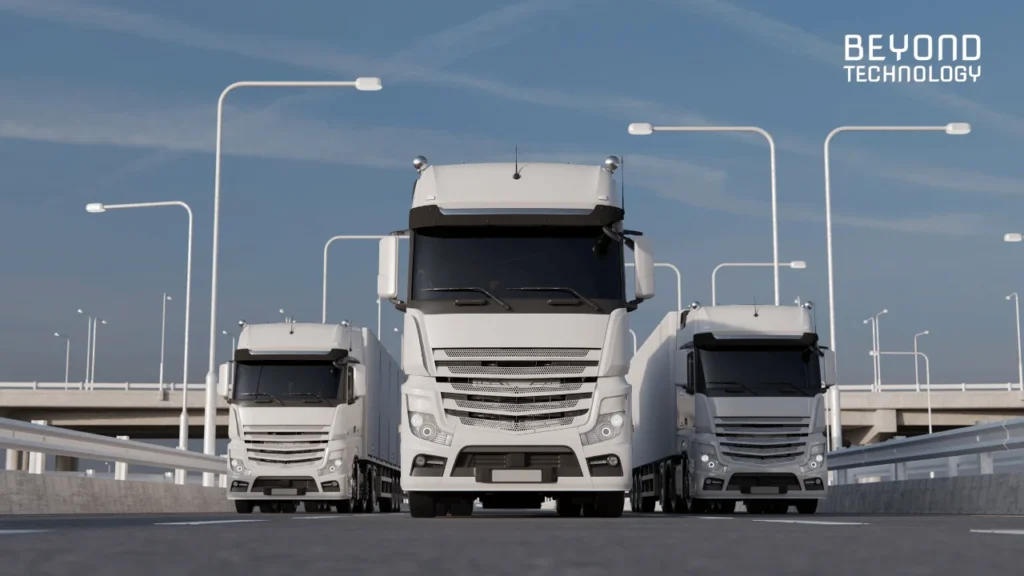
For any business that uses its fleet of cars for daily operations, fleet security is essential. Adopting techniques that safeguard both physical assets and the data supporting them is crucial as security threats change. You may use cutting-edge solutions to keep your trucks and cars in good condition and at peak performance. The following are some of the best practices: GPS Satellite Tracking One of the most important procedures is putting in place a GPS (Global Positioning System). This technology gives you useful information regarding routes, operating hours, and driving habits in addition to pinpointing each vehicle’s exact location in real time. This information is essential for streamlining operations and lowering hazards like theft or unlawful vehicle deviation. Businesses can ensure the safety of their drivers and fleet by responding quickly to incidents with a dependable satellite tracking system. Jammer Detector Another important precaution is to utilize jammer detecting systems. Illegal gadgets known as jammers obstruct GPS signals, making it impossible to locate cars. Every car has a jammer detection system installed, which detects any attempt to tamper with signals and sends out instant notifications to enable prompt action. Maintaining operability and safeguarding assets from possible theft or hijacking require this kind of technology. Maintenance management Maintenance management is another essential component of vehicle security. In addition to extending the life of cars, a well-planned maintenance schedule shields drivers from technical issues that could compromise their safety. Maintaining a thorough record of repairs, scheduling routine inspections, and making sure every car is in optimal working order may all be accomplished with maintenance management software. This increases the fleet’s productivity and profitability in addition to preventing accidents. Fuel control Fuel control is an extra step that improves fleet security greatly. Telemetry-enabled monitoring systems can closely monitor gasoline or diesel use and identify any irregularities that may point to theft or misuse. By keeping cars from running out of fuel in emergency situations, using this control not only lowers operating expenses but also improves security. Ongoing Training Lastly, staff controlling and operating the fleet must receive continual training in order to maintain strong security standards. In order to properly handle any possible situation, drivers must be taught in the usage of technology and security standards that have been put in place. Updating safe driving practices on a regular basis and being aware of the resources available to them are essential for safeguarding assets and preserving the integrity of operations. These procedures, when regularly followed, can assist lower operational hazards related to vehicle management, increase operational efficiency, and improve fleet security. To guarantee business continuity and the safety of drivers and vehicles at all times, it is imperative to implement these advanced technologies. Find out how you can maximize the security of your fleet with the aid of Beyond The Wheel.
