
Costs and benefits of fuel monitoring in transportation fleets

Fuel consumption control has become one of the most decisive factors for the profitability of transportation fleets. In a context where operating margins are increasingly tight, relying on traditional methods such as manual logs, paper receipts, or average performance estimates limits real visibility into spending and opens the door to inefficiencies that are difficult to detect. Against this backdrop, technological monitoring systems offer a more accurate approach to making decisions based on reliable, measurable data. Analysis of return on investment in diesel consumption control systems Evaluating return on investment starts with understanding that the cost of implementing a technological solution is not limited to hardware or software. It also includes integration with existing processes and staff training. However, these initial costs are often recovered within relatively short timeframes when compared to the losses associated with traditional practices. Early detection of leaks, irregular refueling, or unauthorized fuel diversion helps reduce unjustified consumption that, accumulated month after month, represents a significant impact on the operating budget. In practice, many fleets recover their investment by turning scattered data into actionable information. Real-time visibility into consumption by vehicle, route, or driver makes it easier to optimize routes and driving habits, resulting in sustained and predictable savings. Hidden costs of manual fuel expense management in transportation Traditional methods often seem cost-effective at first glance, but they conceal expenses that are difficult to quantify. Dependence on manual reports increases the risk of human error and delays the identification of anomalies. In addition, the lack of traceability makes it difficult to assign clear responsibility when consumption spikes without an obvious cause. Added to this is the time spent by administrative staff on reconciliations and validations, a resource that could be allocated to higher-value strategic activities. From this perspective, the true cost is not measured only in liters consumed, but also in unproductive hours and decisions made with incomplete information. Operational benefits of telemetry applied to fleet energy control Adopting telemetry-based solutions makes it possible to turn fuel into a performance indicator, rather than just an unavoidable expense. Access to accurate metrics supports financial planning, improves negotiations with suppliers, and strengthens internal vehicle usage policies. In addition, having reliable historical data helps project scenarios and anticipate deviations before they affect cash flow. From a long-term perspective, this type of technology contributes to a more sustainable and structured operation, aligning cost control with efficiency and growth objectives. The benefit goes beyond immediate savings and extends to the ability to scale operations without losing control. Implementing a technology-driven fuel consumption monitoring strategy allows fleets to move from reaction to prevention, with direct impacts on profitability and operational transparency. If you want to learn how these solutions can be adapted to the specific needs of your fleet, at Beyond The Wheel you can speak with an advisor and explore alternatives designed to maximize the value of every mile.
Success Stories: Companies That Reduced Costs Through Fuel Monitoring

The pressure to preserve profitability in logistics operations has pushed many organizations to rethink how they oversee the energy consumption of their units. Although every fleet faces different challenges, the experiences of companies that adopted monitoring platforms reveal a common pattern: when information is accurate and timely, decisions become more agile and operational control strengthens. Leak Reduction and Refill Oversight on Long-Distance Routes A carrier focused on interstate distribution noticed constant fluctuations in its fuel usage. Before implementing tracking technology, alerts arrived too late and identifying when losses occurred was difficult. By integrating tank sensors and synchronizing them with its management system, the company gained visibility into every refill and every abrupt level drop. This clarity allowed the team to refine internal processes, enhance its supervision workflow and significantly reduce losses that directly impacted margins. The transparency of the data also improved communication between drivers and supervisors, easing friction and strengthening daily operations. Vehicle-Level Performance Improvement Through Continuous Analysis A company specializing in scheduled deliveries needed to understand why some units achieved lower efficiency despite working under similar conditions. The chosen tool provided detailed histories of driving behavior, including idling time and acceleration patterns. With these insights, the logistics team developed tailored training for each operator, promoting habits that support lower consumption. As a result, the organization saw a notable reduction in energy expenses per trip and a more consistent performance across the fleet, without affecting punctuality or service quality. Asset Recovery and Diversion Prevention in Subleased Units A vehicle financing company struggled to maintain visibility over assets assigned under leasing schemes. Delays in locating units affected equipment recovery and increased risk exposure. Implementing a system with real-time insight into usage and movement enabled the team to detect anomalies immediately. Improved traceability reduced asset loss and strengthened communication with clients, who began receiving preventive alerts that helped them correct deviations before they escalated. This led to a more stable portfolio and a more predictable operation. Each of these cases shows how energy oversight can strengthen critical processes for organizations of all sizes. To learn how these solutions can enhance your operations, speak with an advisor at Beyond The Wheel and discover the impact they can deliver.
How to Choose the Best Fuel Management System for Your Trucks

Efficiency in fleet operations largely depends on how fuel consumption is monitored and managed. The right solution not only helps reduce operating costs but also prevents leaks, ensures compliance with internal policies, and maintains business continuity. Selecting the proper tool requires evaluating key criteria that directly impact performance and profitability across every unit. Importance of Accuracy in Fuel Measurement The first factor to consider is the precision with which the system records fuel levels and usage during trips. Reliable readings allow you to detect irregularities, prevent losses, and generate detailed reports that support strategic decision-making. When data is inconsistent, any subsequent analysis loses value, which can lead to cost overruns and complicate route or budget planning. Easy-to-Implement Monitoring Solutions Another decisive aspect is choosing a tool that offers a simple experience for both drivers and managers. A clear interface, combined with intuitive reports and real-time alerts, makes adoption easier throughout the operation. When the solution is overly complex or requires cumbersome processes, users tend to avoid it, reducing the effectiveness of the project. Ease of use translates into better utilization and a faster return on investment. Compatibility with Fleet Management Platforms Integration with existing company software is essential to avoid duplicated processes and ensure a complete view of each unit. A system that connects with GPS tracking, preventive maintenance, or telematics platforms delivers greater value by centralizing information. In this way, consumption data can be combined with operational metrics, making it easier to optimize performance across the fleet. At Beyond The Wheel, we provide advanced solutions designed to meet these needs. Speak with an advisor to learn how to implement the right tool for your business.
FLS or advanced monitoring system? Fleet comparison

For years, fuel consumption control in fleets has been carried out using manual methods such as the dipstick, a simple but limited technique in terms of accuracy. Today, companies that rely on their vehicle fleet face the need for more precise, real-time data, which has driven the adoption of telematics solutions that far exceed traditional capabilities. Limitations of measuring fuel with conventional tools The dipstick is still used for its low cost and ease of implementation. However, this method relies heavily on the operator’s skill and is prone to reading errors, variations caused by the tank’s inclination, and the inability to detect irregular consumption during trips. In operations with multiple units, these inaccuracies can accumulate, generating significant deviations in expense reports and making it more difficult to make decisions based on accurate data. Benefits of integrating sensors and telematics into transportation fleets Fuel measurement systems (Fuel Level Sensors or FLS) with electronic sensors, integrated into telematics platforms, offer precise and continuous monitoring. They provide the exact fuel level in liters or gallons, detect sudden variations caused by theft or leaks, and link the information to routes and driving habits. This visibility helps optimize logistics, reduce operating costs, and plan preventive maintenance more effectively, in addition to centralizing information for historical analysis. How real-time information transforms fuel management Immediate access to data enables fleet managers to respond proactively to anomalies and adjust operational strategies without waiting for month-end or manual reports. With configurable alerts and unified dashboards, it becomes possible to implement more efficient refueling policies and monitor the effectiveness of each measure within hours rather than weeks. This agility in decision-making makes the difference between reactive control and strategic management. To learn more about implementing cutting-edge fuel monitoring solutions, visit Beyond The Wheel and speak with a specialized advisor who can guide you in optimizing your fleet.
Advantages of real-time fuel monitoring for transportation fleets
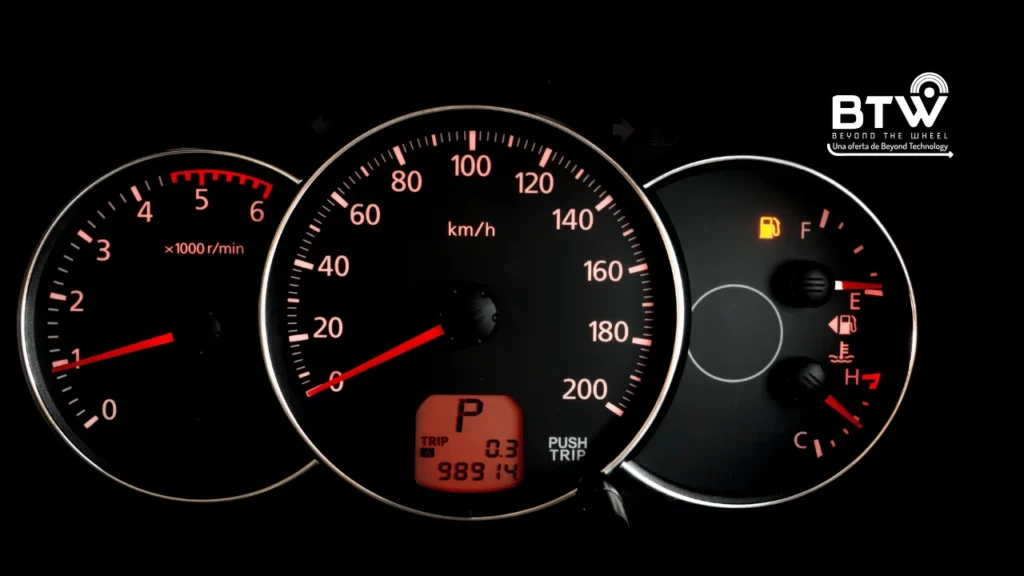
Operational efficiency in a transportation fleet depends on multiple variables, and fuel consumption is among the most critical. In recent years, real-time monitoring has shifted from being an optional tool to becoming a strategic component of fleet management. This type of technology gives companies greater control over energy resources, reduces losses, and helps optimize routes based on accurate, real-time data. How continuous consumption tracking helps reduce operating expenses Fuel expenses account for a significant portion of the logistics operations budget. Implementing systems that track consumption behavior minute by minute makes it possible to detect deviations from the expected performance of each vehicle. This visibility facilitates corrective decision-making, such as route adjustments, preventive maintenance scheduling, or driver efficiency training. When reliable information is available at all times, it becomes easier to identify unnecessary spending patterns and respond quickly to correct them. Timely detection of anomalies in fuel supply and usage One of the biggest risks for fleet-based companies is unauthorized manipulation of resources. Real-time digital tracking allows for the detection of unusual events, such as fuel loads that don’t match scheduled routes, irregular fuel drains, or discrepancies between purchased and actually consumed volumes. This monitoring capability helps prevent internal leakage and potential fraud, strengthening trust in operational processes and in the team that runs them. The value of automated reporting and data visualization tools Making informed decisions requires more than just isolated data points. Advanced monitoring platforms provide dashboards where key indicators are displayed clearly and accessibly. This makes it easier to compare data across vehicles, time periods, or specific routes. Thanks to automated report generation, it’s possible to maintain continuous traceability without adding workload to administrative teams. This integrated visibility not only improves planning but also supports compliance with audits and quality standards. Having tools that offer this level of monitoring is no longer a luxury—it’s a necessity for those managing fleets with a focus on profitability and transparency. If you’d like to learn how to implement these solutions in your operations, talk to a Beyond The Wheel advisor and turn your fuel control into a real competitive advantage.
Signs of fuel inefficiency in your truck fleet
Fuel performance is one of the clearest indicators of operational efficiency in a transportation fleet. When trucks begin consuming more diesel than usual, the impact is directly reflected in operating costs, route profitability, and premature asset wear. Detecting inefficiency early allows you to make strategic decisions to correct deviations and keep vehicle productivity at optimal levels. Frequent fluctuations in fuel efficiency per mile When fuel usage per mile becomes unstable without a clear operational cause, it’s likely that an underlying issue is present. These variations may be linked to mechanical failures, worn-out tires, or even poor driving habits. Real-time monitoring helps identify unusual patterns and determine whether the issue is technical, logistical, or human. Premature wear on key engine system components Well-managed preventive maintenance allows you to detect when the engine is working harder than it should, resulting in increased fuel consumption. Indicators such as rising operating temperatures, higher emissions, or loss of power should be addressed immediately. These conditions can lead to a cycle of inefficiency that impacts not only fuel usage but also the vehicle’s lifespan. Driving behavior that increases fuel consumption The way drivers operate trucks directly affects tank performance. Hard braking, unnecessary acceleration, and long idle times are habits that quietly drive up fuel usage. A properly implemented telematics system not only detects these behaviors but also enables training programs and individualized follow-ups to improve driving practices. Fuel efficiency is not a matter of chance; it results from continuous oversight, applied technology, and informed decisions. At Beyond The Wheel, we offer solutions designed to help you optimize every mile traveled. Talk to one of our advisors and discover how to reduce operating costs with smart monitoring strategies.
How to prevent fuel theft in fleets with advanced technology

Fuel theft poses a significant challenge for transportation companies, especially those managing large fleets. This issue not only impacts operational costs but also compromises logistical efficiency and can lead to substantial financial losses. However, thanks to advanced technology, there are solutions specifically designed to mitigate this risk, optimize consumption, and ensure effective resource monitoring. Accurate detection of variations in fuel tanks One of the most effective methods to combat fuel theft is the continuous monitoring of tank levels. With devices like the fuel level sensor (FLS), it’s possible to identify any anomalous variations in real time. This technology uses high-precision sensors that generate instant alerts for irregular drops, whether due to unauthorized extraction or system failures. With detailed information at hand, operators can respond promptly and make informed decisions to prevent further losses. Real-time control to manage fleet performance In addition to preventing theft, these technologies allow fleet managers to assess consumption patterns and detect potential system leaks. Devices integrated with telemetry software provide detailed reports on the performance of each unit, facilitating the detection of consumption anomalies that may arise from poor maintenance or structural issues. This level of control not only reduces risks but also enhances overall operational efficiency. Tracking technology as a deterrent and control tool Integrating satellite tracking systems with fuel monitoring adds an extra layer of security. These solutions not only allow you to know the exact location of vehicles but also generate detailed records of fuel usage for every trip. This combination of data acts as a deterrent for potential incidents and provides full transparency in operations, fostering trust between owners and their drivers. Explore advanced solutions to protect your resources Implementing advanced technologies such as Fuel Level sensors and telemetry systems can make a difference in fleet management. At Beyond The Wheel, we offer the tools and expertise to help you safeguard your resources and optimize your operations. Talk to one of our advisors today and discover how to take your fleet to the next level.
Impact of fuel usage on fleet operating costs

Fuel usageis one of the most significant factors in fleet operating costs. This expense not only represents a substantial portion of the transportation budget but also impacts the competitiveness and sustainability of companies in sectors such as logistics and distribution. Optimizing fuel management is essential to reducing costs, improving performance, and enhancing overall operational efficiency. How to monitor fuel performance to optimize expenses Accurate fuel performance monitoring is crucial for understanding how this resource is being used and identifying unnecessary consumption patterns. Implementing telemetry systems and tracking technology allows real-time data collection on driving habits, routes taken, and operating hours. This facilitates identifying areas for improvement and helps companies make informed decisions to reduce operational expenses. Tools like the Fuel Level Sensor (FLS) are particularly effective for obtaining precise measurements and preventing discrepancies in recorded consumption. Additionally, these solutions enable the detection of leaks or unauthorized fuel losses, enhancing control over this significant expense. Impact of routes and driving habits on fuel usage Efficient route planning and driver training in responsible driving techniques have a direct impact on reducing fuel usage. Poorly planned routes or aggressive driving practices such as rapid acceleration and hard braking can significantly increase costs. On the other hand, adjusting driver behavior and optimizing route logistics can lower expenses and extend vehicle lifespan. Moreover, a preventive approach through regular maintenance ensures that the fuel system, including key components like the fuel dipstick, operates at its best. These practices not only reduce fuel expenses but also minimize the risk of unexpected breakdowns that could disrupt operations. Benefits of integrating technological solutions in fleet management Integrating advanced technology into fleet management not only reduces operating costs but also increases transparency and control over resources. Solutions like GPS tracking systems and fuel monitoring sensors allow managers to gain a comprehensive view of operations in real time. These tools are particularly useful for monitoring fuel levels, tracking routes, and continuously optimizing vehicle performance. The analysis of data collected by these technologies facilitates the implementation of cost-saving strategies, such as identifying high consumption patterns or choosing more economical routes. Ultimately, this translates into greater profitability and sustainability for logistical operations. If you want to optimize fuel management and reduce your fleet’s operating costs, Beyond The Wheel can help. Speak to one of our advisors today and discover how our technological solutions can transform your operations.
What is fuel monitoring and why is it essential for fleets?
In fleet management, one of the most significant operational challenges is the efficient handling of fuel. This resource represents a considerable percentage of total costs, and without proper control, it can lead to financial losses that negatively affect profit margins. Fuel control is a technological solution designed to monitor consumption, levels, and potential irregularities in real time, providing companies with a clearer and more precise view of their operations. Real-time consumption monitoring to reduce waste Real-time monitoring, through Fuel level sensors of FLV helps identify consumption patterns and detect waste caused by poor driving practices, such as speeding or prolonged idling. Additionally, with visibility into vehicle-specific consumption, companies can make informed decisions to implement optimization strategies, whether by adjusting routes, training drivers, or evaluating fleet performance. Fraud prevention and leak detection One of the biggest risks in fuel management is theft or misuse of the resource. Advanced control solutions include precision sensors that alert about sudden drops in fuel levels. This not only protects company assets but also fosters operational transparency and strengthens trust within the team. Impact on operational efficiency and sustainability Beyond immediate savings, fuel control contributes to sustainability by reducing unnecessary consumption and, consequently, carbon emissions. A more efficient fleet not only lowers costs but also aligns with market demands for more environmentally responsible operations. Integrating these technologies enables companies to become more competitive and respond to customer demands with greater agility. Discover how to take your fleet’s efficiency to the next level At Beyond The Wheel, we offer advanced fuel monitoring solutions tailored to your needs. Speak with one of our advisors and transform the way you manage your operations.
Everything on fuel level sensors you should know

Effective fuel consumption control is essential for fleet managers to cut expenses and boost output. In order to maintain accurate fuel monitoring through telematics solutions, fuel level sensor or FLS —which sense the amount of gasoline or diesel in one or more tanks—are crucial components. What are fuel level sensors? Fleet managers can better regulate each vehicle’s usage thanks to fuel level sensors, which measure the fuel level in one or more of a vehicle’s tanks and transmit real-time data about the amount of gasoline or diesel available. They aid in preventing wasteful use, identifying theft or losses, and streamlining driving patterns when combined with other telematics systems. How do telematics systems and FLS work together? Fuel level sensors communicate in real time with fleet management software by connecting to the vehicle’s telematics system. This enables managers to keep an eye on how much fuel is used in their trucks or trailers, examine usage trends, and spot any unusualities. The generation of comprehensive data that aid in route optimization, the identification of unproductive driving practices, and more effective refueling planning is made easier by integration with telematics. Fuel level sensors are an essential tool for any business trying to boost fleet productivity. Fleet managers may maximize fuel efficiency and maintenance expenses by using the accurate information they provide about each tank’s gasoline level to make well-informed decisions about how to operate their vehicles. Additionally, by assisting in the early detection of problems like leaks or excessive consumption, these rods can lower operating costs and increase the lifespan of vehicles. Types of telematics monitoring Fuel Level Sensors FLS come in several varieties that are intended to work with telematics monitoring systems. The most popular are ultrasonic rods, which utilize ultrasonic waves to measure liquid levels, and capacitive rods, which use fluctuations in electrical capacitance to measure fuel level variations. Both can be set up to deliver precise and current data in real-time alerts to fleet management software. Maintenance Fuel level sensors need to be properly maintained in order to guarantee accurate data collection. This include routine cleaning of sensor surfaces, periodic calibration to guarantee accurate results, and regular examinations for indications of wear or damage. In addition to extending the life of the rods, proper maintenance guarantees accurate fuel consumption monitoring. Improvements and advances Significant technological breakthroughs have been made in fuel level sensors, particularly when paired with sophisticated telematics solutions. New wireless communication sensors make installation quicker and more flexible by enabling real-time data transfer without the need for physical connections. Furthermore, improved resistance to temperature changes and corrosion has been built into rods, enhancing their precision and longevity across a variety of working situations. How FLS Implementation lowers my expenses By facilitating more accurate and efficient fuel use, fuel level sensors and telematics systems together drastically lower a fleet’s operating expenses. To calculate the possible savings when implementing these solutions into your business, you can use our ROI calculator. Utilize our cutting-edge technology to maximize fleet vehicle monitoring and efficiency. Contact us to schedule an appointment and receive a free demonstration.
