
How does a fatigue camera work and why is it essential for your fleet?

Road safety and operational efficiency have become strategic priorities for companies that manage vehicle fleets. In this context, technology applied to driver behavior has advanced significantly, making it possible to anticipate risks before they turn into incidents. Intelligent monitoring solutions focused on fatigue and distraction (dash cam) now provide an additional layer of control that goes beyond traditional vehicle tracking. Facial monitoring technology for early detection of driver fatigue These systems use computer vision and artificial intelligence algorithms to analyze the driver’s face in real time. By recognizing patterns such as prolonged blinking, head movements, gaze direction, and microexpressions, the technology can identify signs associated with fatigue, drowsiness, or loss of attention. All processing occurs continuously while the vehicle is in operation, without interfering with driving or relying on human intervention. The accuracy of these tools enables a preventive approach. Instead of reacting after an incident occurs, companies can detect risky behaviors at the exact moment they appear, reducing the likelihood of accidents and improving safety for the driver, the cargo, and other road users. Real-time alerts to reduce accidents in transport fleets When the system detects a risk pattern, immediate notifications are triggered. These alerts may be audible or visual inside the cabin, prompting the driver to regain focus right away. At the same time, the information is sent to monitoring centers or fleet management platforms, allowing supervisors to take timely action, such as suggesting breaks, route adjustments, or closer follow-up with the driver. The ability to respond in real time transforms road safety management. It is not just about collecting data, but about intervening at the right moment to prevent more serious consequences. This proactive approach has a direct impact on reducing incidents, operating costs, and vehicle downtime. Smart reports for driver behavior analysis Beyond live monitoring, these solutions generate detailed reports that consolidate the information collected during each trip. The reports make it possible to identify behavior trends, assess risk levels by driver, vehicle, or route, and measure the effectiveness of internal safety policies. With this visibility, operations and human resources teams can design more targeted training programs and make decisions based on real data. The value of these reports lies in their ability to turn isolated events into actionable insight. By analyzing patterns over time, companies can optimize fleet operations, improve driver performance, and strengthen a culture of responsible driving. Implementing this type of technology is no longer an optional advantage, but a key measure for organizations seeking to operate more safely and efficiently. To learn how these solutions can be integrated into your fleet, you can speak with an advisor at Beyond The Wheel and explore the available options to take your operation to the next level.
Costs and Benefits of Implementing Fatigue Cameras in Fleet Operations

Road safety has evolved from a reactive concern to a key operational strategy within transport companies. Fatigue detection cameras have proven to be an essential tool to reduce accidents, enhance productivity, and protect the most valuable assets—drivers and vehicles. Beyond their preventive value, this technology also represents a measurable investment with a clear financial return when analyzed from an ROI perspective. How to Calculate ROI for Driver Monitoring Solutions Determining the profitability of such a solution requires considering both the initial investment and the long-term savings. The investment includes the purchase of equipment, installation, maintenance, and, in some cases, software subscriptions. However, these costs must be weighed against the reduction of expenses from accidents, fines, or downtime. For instance, if a company reduces road incidents by 40% through driver behavior monitoring, the savings in repairs and insurance premiums quickly exceed the initial investment. Additionally, by reducing downtime caused by maintenance or vehicle loss, the return multiplies. The actual ROI is calculated by dividing the net benefits obtained (savings minus costs) by the total investment, allowing a precise view of the financial impact of the technology. Read: How a Passenger Transport Company Enhanced Fleet Safety and Control with AI-Enabled 4G Dash Cameras Impact on Insurance and Vehicle Maintenance Costs Insurance companies increasingly value the adoption of advanced assistance and monitoring systems, offering discounts or preferential terms to fleets that use them. With visual evidence and real-time driver behavior data, fraudulent claims and liability disputes decrease significantly. This results in lower premiums and better control over recurring expenses. Likewise, early alerts issued by cameras detecting signs of drowsiness or distraction help prevent collisions that would otherwise require costly repairs or component replacements. In operations where every vehicle represents a steady source of income, maintaining operational availability becomes a direct financial advantage. Operational Optimization and Reduction of Logistical Losses Beyond accident prevention, the use of AI-powered cameras also provides valuable insights to optimize routes, identify inefficient driving habits, and improve driver training programs. Companies that leverage this information can reduce fuel consumption, improve delivery times, and decrease mechanical wear on vehicles. Every minute a vehicle remains out of service due to a breakdown or incident represents tangible losses. Minimizing these events through proactive detection systems has a direct impact on service continuity and customer satisfaction. In a highly competitive logistics environment, maintaining a stable and safe operation translates into a clear business advantage. Learn More About Strengthening the Safety and Profitability of Your Fleet Adopting intelligent monitoring technologies not only enhances safety but also drives financial efficiency across operations. To learn how these solutions can be effectively integrated into your company, contact a Beyond The Wheel advisor and discover how to boost your fleet’s profitability with a data-driven prevention strategy.
Success stories: Companies that reduced accidents with fatigue detection cameras

The implementation of road monitoring technologies has transformed the way transportation companies manage driver safety. One of the most impactful innovations has been the use of fatigue detection cameras, which identify signs of drowsiness or distraction and send real-time alerts. Several logistics and distribution companies have already proven how this tool not only reduces the likelihood of accidents but also increases operational efficiency. How a national transportation company improved driver safety One of Mexico’s largest trucking companies faced a recurring challenge: long routes caused accumulated fatigue, putting the continuity of operations at risk. After integrating in-cab video systems, the company was able to detect drowsiness patterns that previously went unnoticed. Real-time reports allowed supervisors to intervene quickly, reducing incidents and strengthening a safety-first culture among drivers. Distribution fleet experience with real-time analysis In the consumer goods sector, a fleet responsible for deliveries across multiple regions sought to reduce losses from collisions and delays. By adopting intelligent video technology, fleet managers gained accurate insights into driving habits and risk conditions. This data made it possible to provide tailored training, directly lowering accident rates and improving on-time deliveries. Results from an international logistics company Another success story came from a company operating cross-border routes, where travel times and tight schedules were constant challenges. The installation of dash cams with preventive alerts not only helped reduce accidents but also provided video evidence in legal situations and insurance claims. With this technology, the company optimized operational costs and strengthened customer confidence by ensuring greater reliability in transportation processes. These stories highlight how innovation in monitoring systems can make a tangible difference in such a competitive industry. If you want to explore how these solutions can be applied to your business, Beyond The Wheel offers expert advisors to guide you in implementing the right strategy.
How to Choose the Best Driver Fatigue Camera for Your Fleet

Monitoring driver fatigue is critical to ensuring safety in transport operations. Fatigue detection cameras have become essential tools to enhance vehicle safety and reduce the risk of accidents. However, choosing the right system for your fleet is not a simple task. Several technical and operational factors must be considered to ensure optimal integration with your operations. Detection accuracy, the key to early warning Detection accuracy is one of the most important elements when selecting a fatigue camera. The technology must be capable of identifying early signs of drowsiness and distraction without triggering false alarms. Advanced systems use AI-based algorithms to analyze driver behavior, including eye movement, blink rate, and head position. High accuracy is essential to ensure a timely response to fatigue signals, without disrupting daily operations with unnecessary alerts. Easy installation to save time and resources The installation process should be as straightforward as possible to avoid downtime and the need for specialized technicians. A system that is easy to install is especially valuable for large fleets, where time is a critical factor. Many modern fatigue cameras offer plug-and-play solutions, allowing for hassle-free implementation. It’s also important to consider whether the camera requires special calibration or mounting systems, as these factors can affect both cost and operational efficiency. Connectivity with video telematics systems for complete control Integrating the fatigue camera with existing video telematics platforms is essential for centralized data management. With proper connectivity, the footage and alerts captured by the system can be transmitted in real time to the operations center, enabling continuous monitoring of driver status. This level of integration also supports long-term trend analysis and helps refine safety strategies. Make sure the device is compatible with your current fleet management platform or determine if an additional system is required to enhance its functionality. Selecting the right fatigue camera goes beyond price or isolated features. It’s important to ensure that the system integrates seamlessly with your existing monitoring technologies and meets your safety standards. To explore advanced solutions that help protect your drivers, talk to a Beyond The Wheel advisor. They can guide you in choosing the most suitable technology for your fleet.
Advantages of Using Fatigue Cameras Over Traditional Monitoring Methods

Risk management in fleet operations has significantly evolved in recent years. While manual inspections and periodic training sessions were long considered the primary tools to ensure driver safety, today there are more accurate and effective technological solutions. Fatigue detection cameras, powered by artificial intelligence, can identify critical warning signs in real time, transforming how companies prevent accidents and optimize driver behavior. Real-time detection of risky driving behavior One of the main limitations of traditional methods is their retrospective approach. In-person evaluations or post-incident reviews cannot anticipate hazards as they happen. In contrast, smart cameras installed in cabins provide continuous real-time monitoring of behaviors such as frequent yawning, cellphone use, or failure to wear a seatbelt. This real-time response capability allows alerts to be triggered before incidents occur, enhancing safety without waiting for follow-up training to address the issue. Greater accuracy compared to the subjectivity of manual evaluations Periodic inspections or interviews rely on human judgment, which can introduce bias or error. Advanced camera systems, on the other hand, use algorithms that detect fatigue or distraction patterns with a level of accuracy that far exceeds any subjective assessment. These systems give companies access to objective data on each driver’s behavior, allowing for better-informed decisions in real time and more effective internal policy adjustments. Lower operating costs with automated monitoring solutions Beyond improving safety, these technologies also offer economic advantages. Frequent training sessions, physical check-ins, and field audits require ongoing investments of time and resources. Fatigue cameras, by operating continuously and automatically, reduce the need for constant human oversight. By identifying risky practices early, they help decrease accidents and associated costs such as vehicle repairs, insurance claims, and downtime. AI-powered monitoring solutions not only modernize fleet supervision but also drive measurable improvements in efficiency and prevention. To learn more about integrating this technology into your operation, speak with a Beyond The Wheel advisor and discover the potential of a real-time, intelligence-driven safety strategy.
Impact of driver fatigue on the operating costs of transport companies
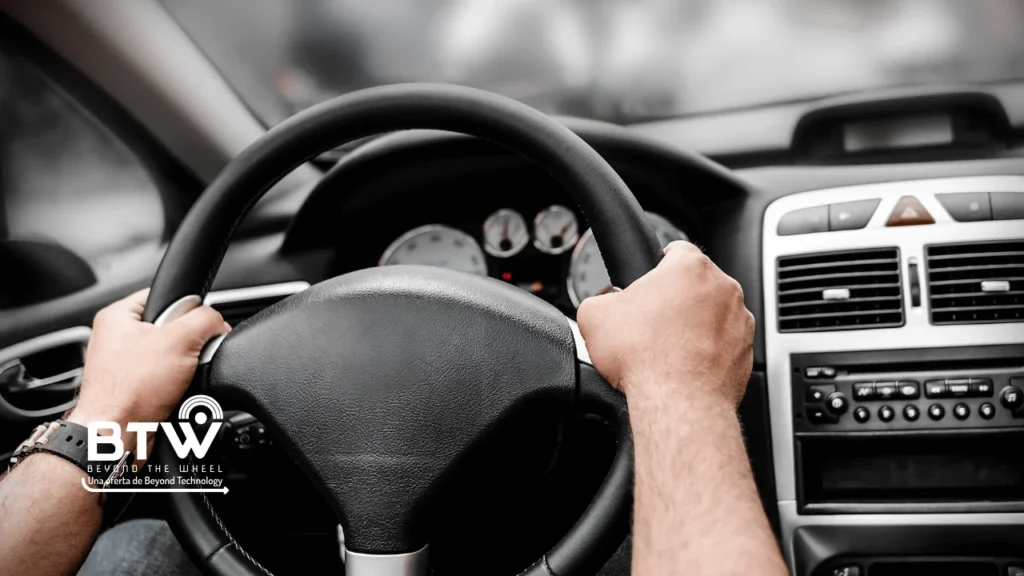
Driver fatigue is one of the main threats to the profitability of transport companies. Drivers experiencing physical and mental exhaustion have slower reaction times and reduced attention capacity, increasing the risk of accidents. These situations not only affect road safety but also generate significant costs due to vehicle damage, operational disruptions, and rising insurance premiums. How fatigue-related accidents affect profitability in freight transport When a fatigued driver loses control of their vehicle, the consequences can be severe. A crash can result in financial losses related to vehicle repairs, compensation payments, and delivery delays. Additionally, companies face penalties and stricter regulatory inspections, impacting their reputation and reliability with clients. These factors make fatigue not just a safety issue but a direct threat to business sustainability. The role of technology in preventing drowsiness-related road incidents To mitigate fatigue-related risks, many companies have adopted advanced technological solutions. AI-powered monitoring cameras can detect signs of drowsiness in real time, alerting both the driver and the control center before an incident occurs. These systems enable timely intervention and help reduce accidents, leading to lower operational costs and greater fleet management efficiency. Benefits of smart cameras for enhancing safety in commercial fleets Beyond detecting signs of fatigue, advanced cameras provide detailed insights into driving habits. With these tools, operators can receive training based on real data, improving their performance and fostering a culture of safe driving. By minimizing risk events, companies can reduce accident-related costs, extend vehicle lifespan, and strengthen their competitiveness in the industry. Implementing intelligent monitoring technologies is a strategic investment for any transport company. To learn more about these solutions and how Beyond The Wheel can help optimize your fleet’s safety, schedule a consultation with one of our experts.
Signs of driver fatigue: how to detect and prevent accidents

Driver fatigue is one of the most common risk factors in freight and passenger transport. Long driving hours, inadequate rest, and road conditions can lead to symptoms that compromise safety on the road. Detecting these signs in time not only protects the driver’s life but also prevents incidents that impact fleet operations and generate unnecessary costs. Changes in driver behavior and loss of concentration One of the first signs of fatigue is slower reaction times. A tired driver takes longer to respond to unexpected situations, increasing the likelihood of collisions. Erratic maneuvers, such as unintended lane departures or delayed braking, may also occur. Additionally, difficulty maintaining a consistent speed often indicates a lack of control over the vehicle. Another key indicator is a loss of concentration. Fatigued drivers tend to blink more frequently or stare blankly at the road without a clear focus. These signs can go unnoticed without a proper monitoring system capable of detecting abnormal behavioral patterns. Monitoring technology to detect drowsiness in real time The use of smart cameras powered by artificial intelligence has proven to be an effective solution for identifying signs of driver fatigue. These systems analyze facial expressions, blink frequency, and gaze direction to detect drowsiness indicators before they become a safety hazard. By integrating this technology into fleet operations, companies can receive real-time alerts when a driver shows signs of fatigue. This allows for immediate decision-making, such as scheduling strategic breaks or activating assistance protocols. Additionally, long-term data analysis helps identify fatigue patterns, optimizing route planning and shift management. Risk reduction and enhanced safety for commercial fleets Preventing fatigue-related accidents not only protects driver well-being but also reduces operational costs associated with accidents and downtime. Implementing automated detection systems improves road safety and contributes to a more efficient and regulated work environment. At Beyond The Wheel, we offer advanced driver monitoring solutions for commercial fleets. Speak with one of our experts and discover how to enhance your fleet’s safety with cutting-edge technology.
Main risks of driver fatigue in freight transport

Fatigue is a critical issue in the freight transport sector, where long working hours and demanding conditions can affect both driver safety and productivity. This situation compromises efficient fleet operations and can have severe consequences for logistics chains. Implementing technological solutions allows real-time monitoring and prevention of driver fatigue, reducing risks and optimizing performance. How does fatigue impact the safety of heavy vehicle drivers? Prolonged exhaustion significantly reduces drivers’ responsiveness and concentration. Studies show that drowsiness impairs situational awareness and increases reaction times to unexpected events, raising the likelihood of serious road accidents. In an industry where precision and on-time delivery are essential, the impact of such incidents goes beyond economic losses, endangering lives and corporate reputations. Real-time monitoring of drivers’ physical condition and behavior through telematics systems and data analysis helps identify fatigue patterns and anticipate risks. These solutions alert both operators and fleet managers, enabling timely intervention to avoid critical situations. Fatigue as a factor affecting productivity in freight operations Beyond road safety risks, fatigue has a direct effect on drivers’ productivity. Performance declines when operators work under extreme exhaustion, which can delay deliveries and reduce overall operational efficiency. A fleet with low productivity levels negatively impacts the profitability of transport companies. Technological solutions focused on fatigue monitoring optimize routes and driving times, enabling scheduled breaks and reducing drivers’ physical strain. This not only improves their performance but also ensures more efficient fulfillment of logistics commitments. Technological solutions for fatigue management in freight fleets The use of advanced tools like telematics systems, fatigue sensors, and data analysis in heavy transport fleets has transformed how this challenge is addressed. These technologies gather precise information on driver behavior, such as irregular movements, speed variations, and extended driving times without rest, generating automatic alerts to help prevent incidents. Additionally, these platforms enable fleet managers to make more informed decisions regarding route planning and shift management. The result is a safer, more efficient operation that protects drivers and strengthens companies’ competitive position in the market. Driving under optimal conditions not only ensures safety but also enhances the overall performance of freight operations. Improve driver safety with specialized solutions At Beyond The Wheel, we understand the importance of keeping freight transport operations safe and productive. If you’re looking to optimize your fleet’s performance and protect your drivers, speak to one of our advisors to learn more about our technology-driven solutions for fatigue prevention.
What Is a fatigue monitoring camera and why is it crucial for fleet safety?
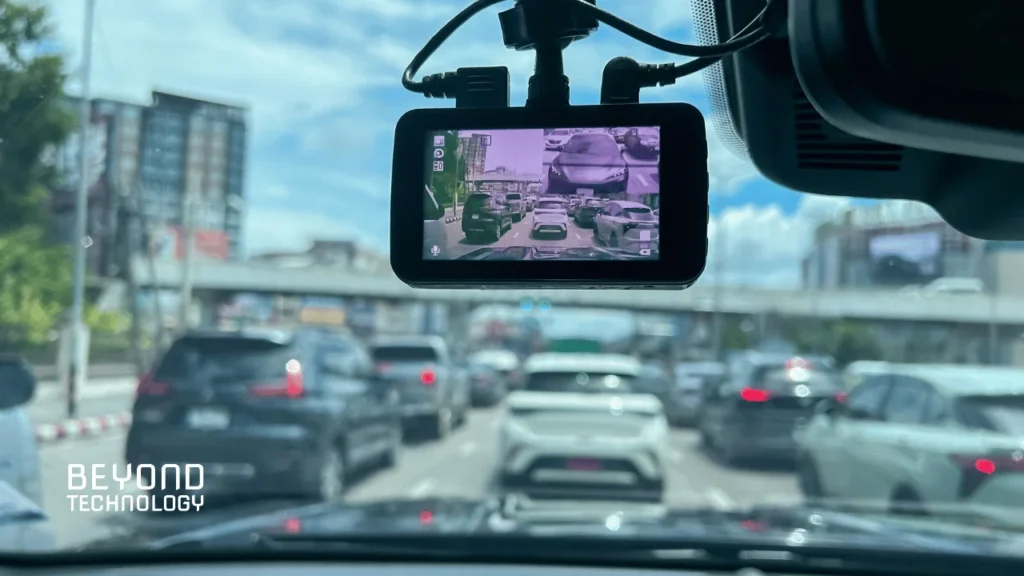
Road safety is a critical concern for companies managing vehicle fleets. One of the leading causes of accidents is driver fatigue, a problem that is often difficult to detect in time. To address this challenge, fatigue monitoring cameras have emerged as an innovative and effective technological solution. These devices not only monitor the driver’s condition in real time but also serve as an alert system for potential risks. How a smart camera detects signs of driver fatigue Fatigue monitoring cameras are designed to analyze driver behavior using advanced algorithms. These devices track indicators such as blink frequency, gaze direction, and head movements. Additionally, some models are equipped with infrared sensors that function in low-light conditions, ensuring constant monitoring throughout the workday. When the system detects patterns that indicate extreme tiredness or distraction, it issues audible and visual alerts to help the driver refocus or take a break. These features not only prevent accidents but also contribute to the drivers’ well-being by encouraging safer and more responsible driving. Technology as an ally in accident prevention Integrating fatigue monitoring cameras into fleet management translates not only into enhanced safety but also operational benefits. Preventing accidents significantly reduces costs associated with repairs, insurance, and downtime. Moreover, adopting this technology enhances the perception of corporate responsibility, which is key to building trust with clients and business partners. Beyond immediate alerts, the data collected by these cameras can also be analyzed to optimize routes and improve drivers’ rest policies. In this way, companies achieve an effective balance between safety and operational efficiency. Why modern fleets must adopt this technology In today’s competitive transportation and logistics sector, ensuring operational safety is a strategic differentiator. Fatigue monitoring cameras are not a luxury but a necessity for any fleet that prioritizes road safety and driver protection. This technology reinforces a company’s commitment to higher standards of responsibility and on-road performance. Investing in advanced monitoring tools not only addresses immediate challenges but also positions businesses as leaders in innovation and safety within the sector. To learn how fatigue monitoring cameras can transform the safety of your fleet, speak with a Beyond The Wheel advisor. Get personalized guidance and discover solutions to elevate your business to the next level.
